Image 1 of 30
Image 2 of 30
Image 3 of 30
Image 4 of 30
Image 5 of 30
Image 6 of 30
Image 7 of 30
Image 8 of 30
Image 9 of 30
Image 10 of 30
Image 11 of 30
Image 12 of 30
Image 13 of 30
Image 14 of 30
Image 15 of 30
Image 16 of 30
Image 17 of 30
Image 18 of 30
Image 19 of 30
Image 20 of 30
Image 21 of 30
Image 22 of 30
Image 23 of 30
Image 24 of 30
Image 25 of 30
Image 26 of 30
Image 27 of 30
Image 28 of 30
Image 29 of 30
Image 30 of 30
Beech Mushrooms (3 Varieties) Heat Dehydrated Fruitbodies
Beech / Shimeji – (Hypsizygus tessellatus)
Shimeji Mushroom: The Beech-Loving Delicacy
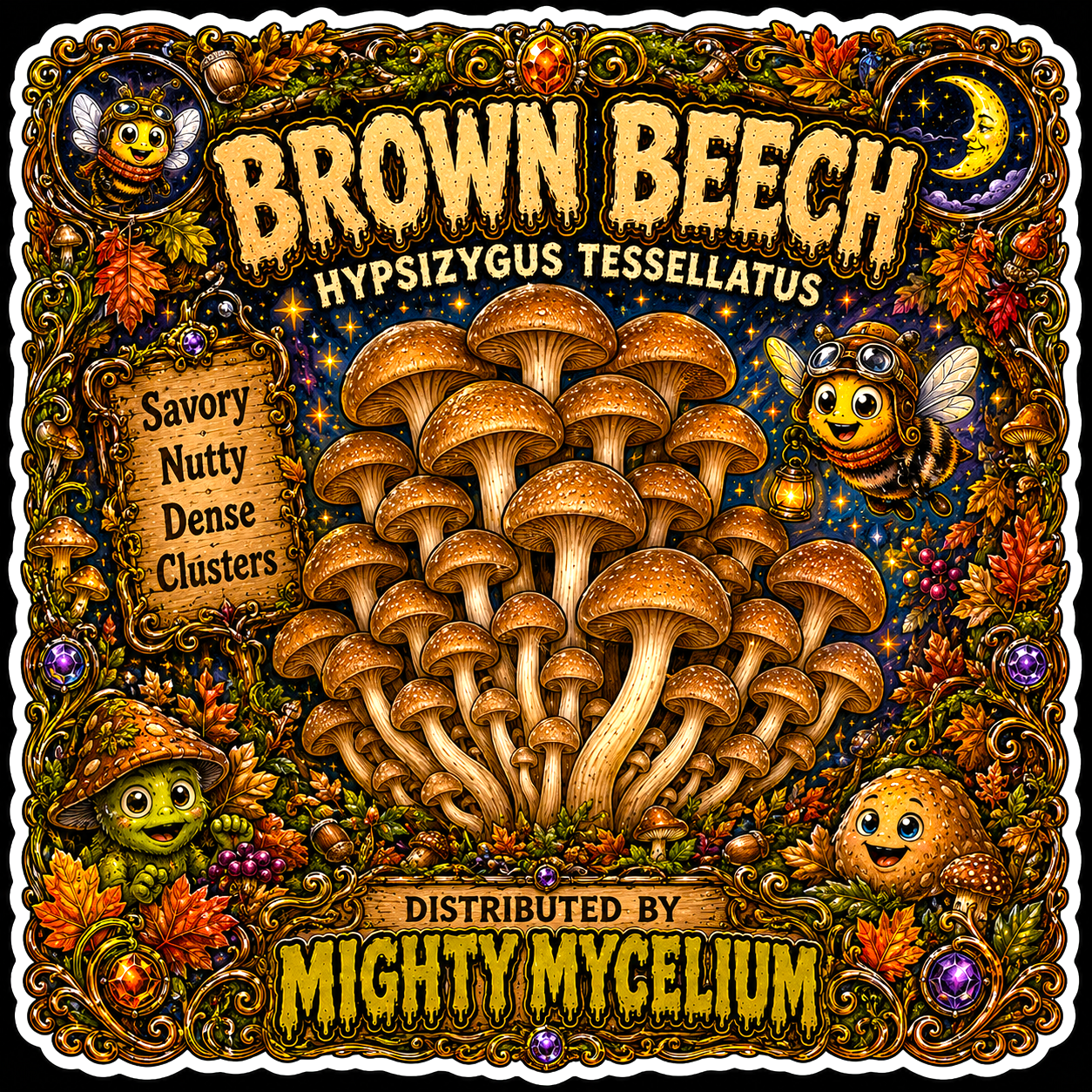
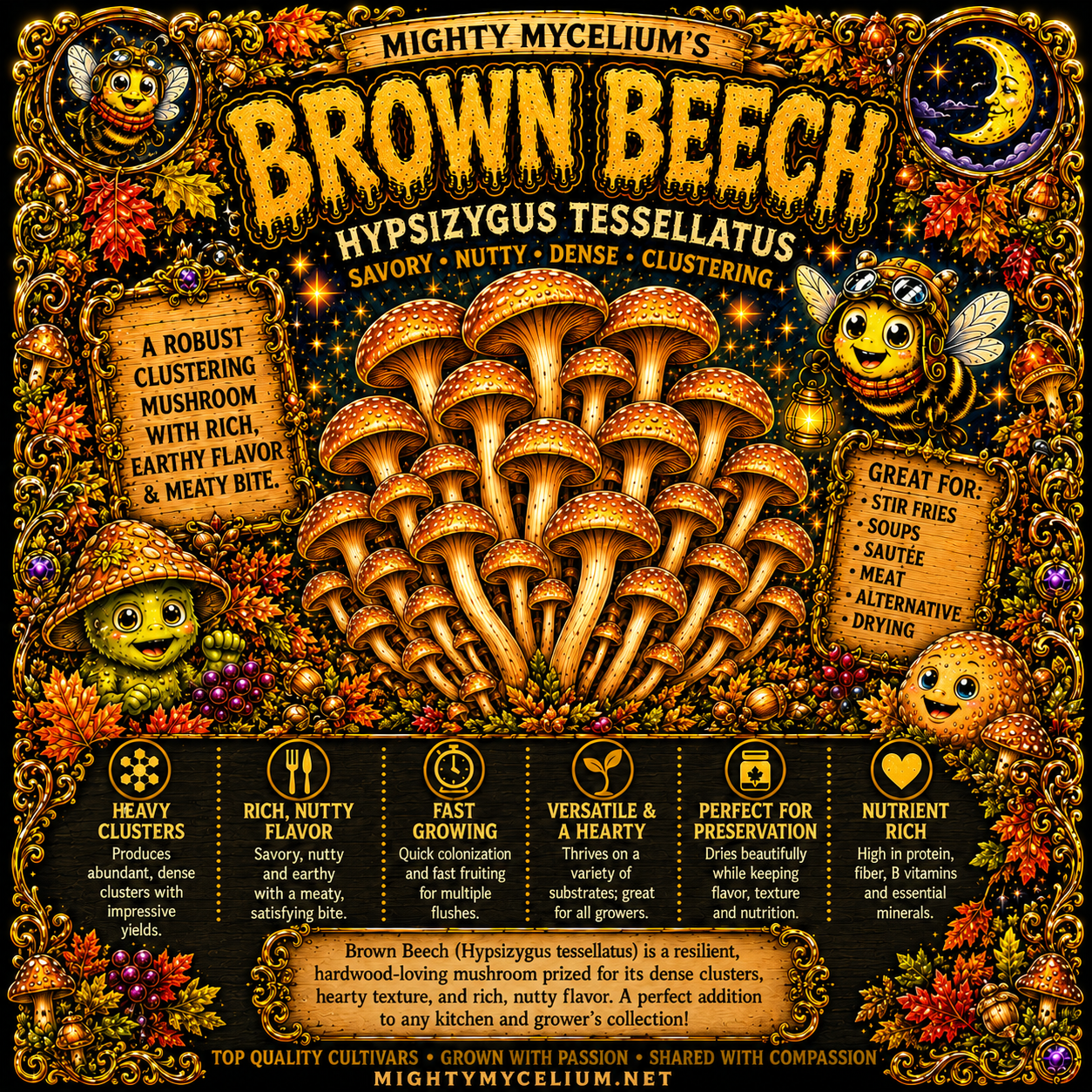
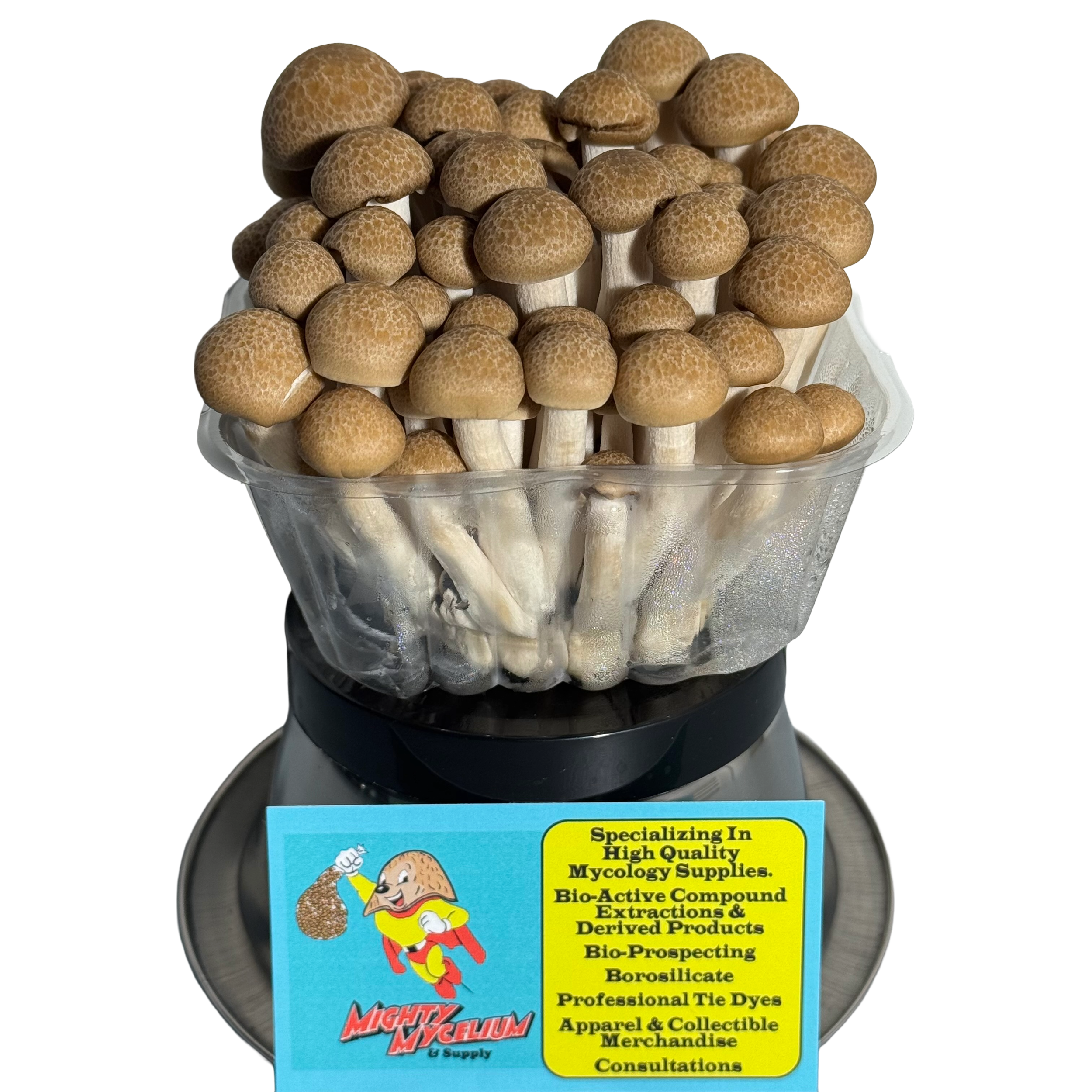
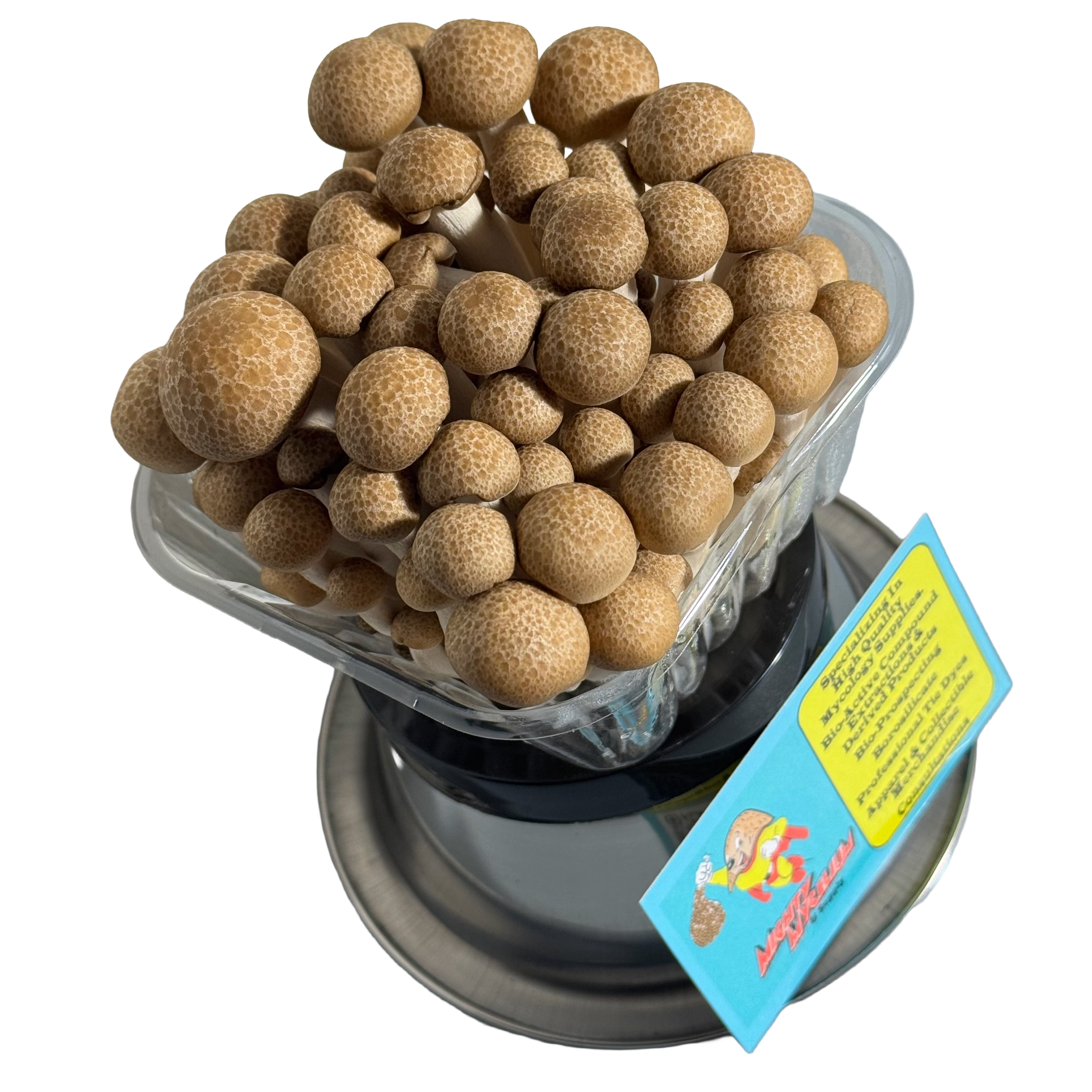
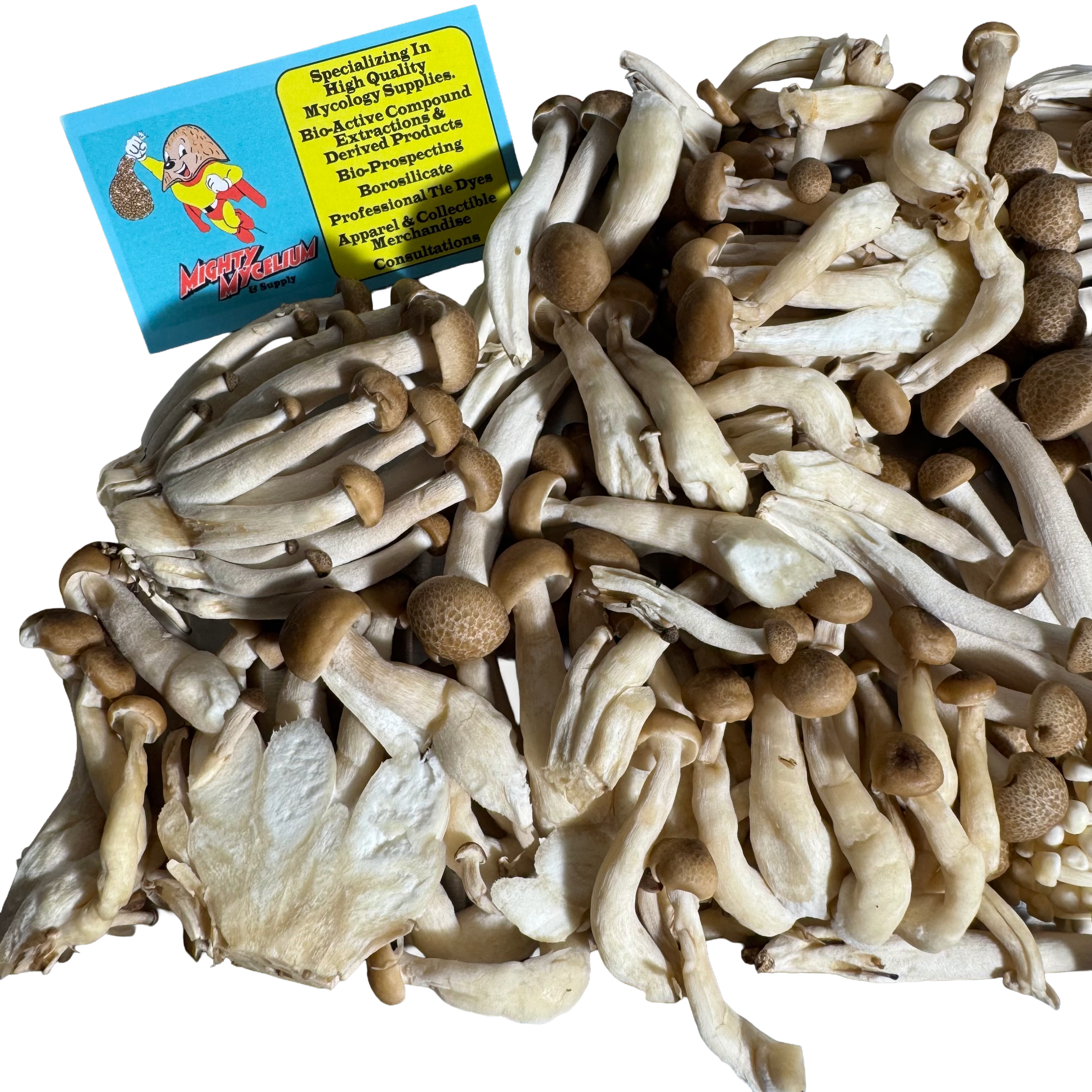
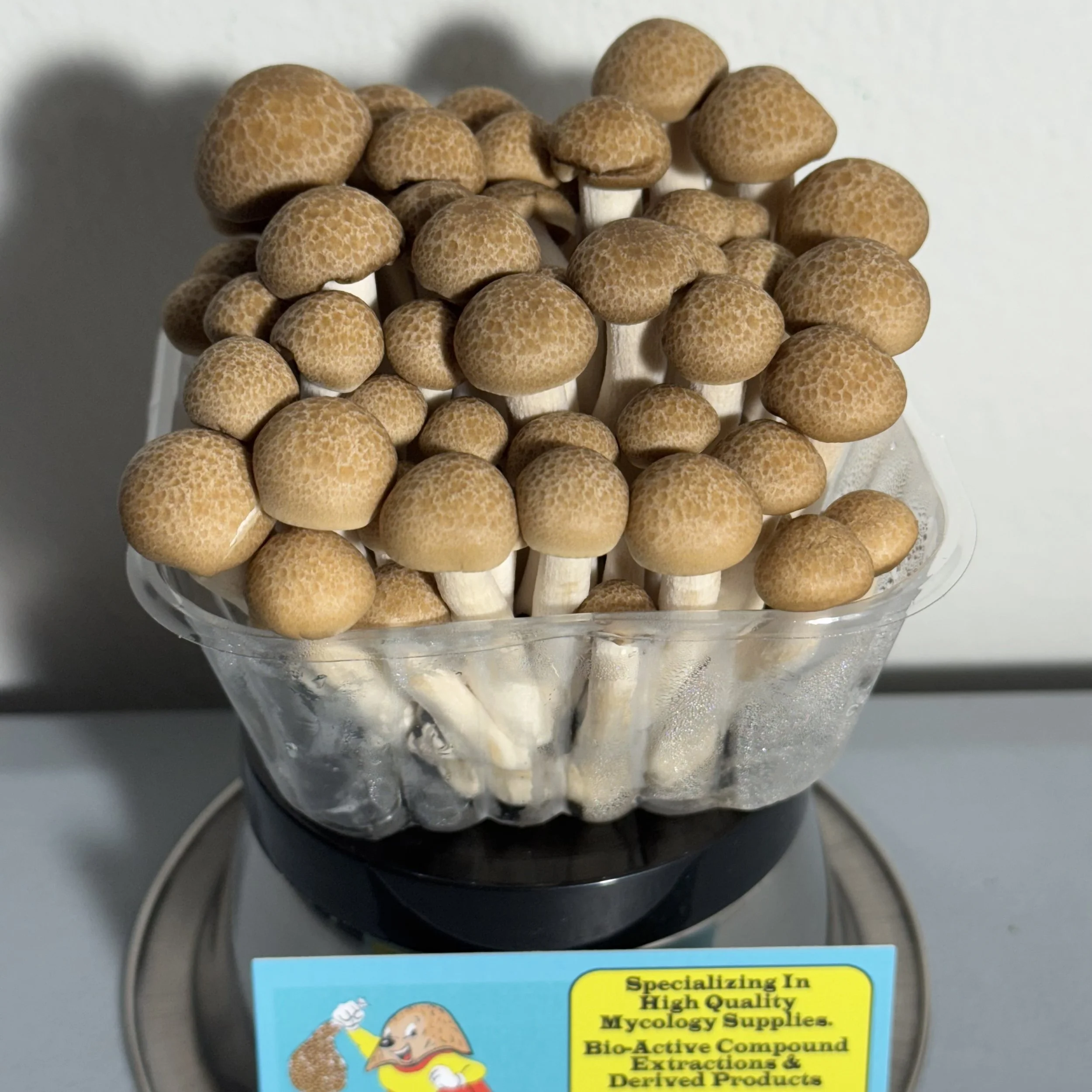
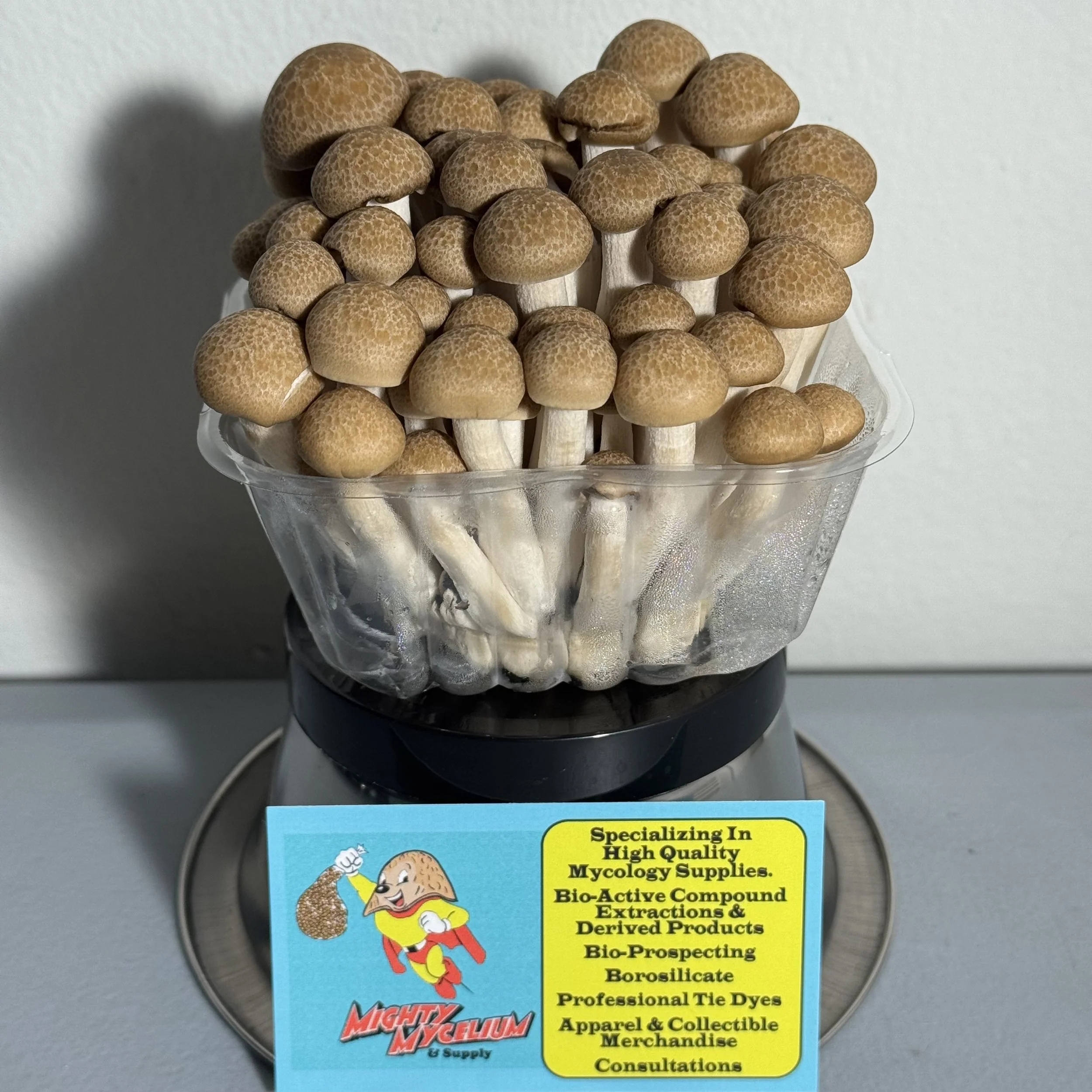
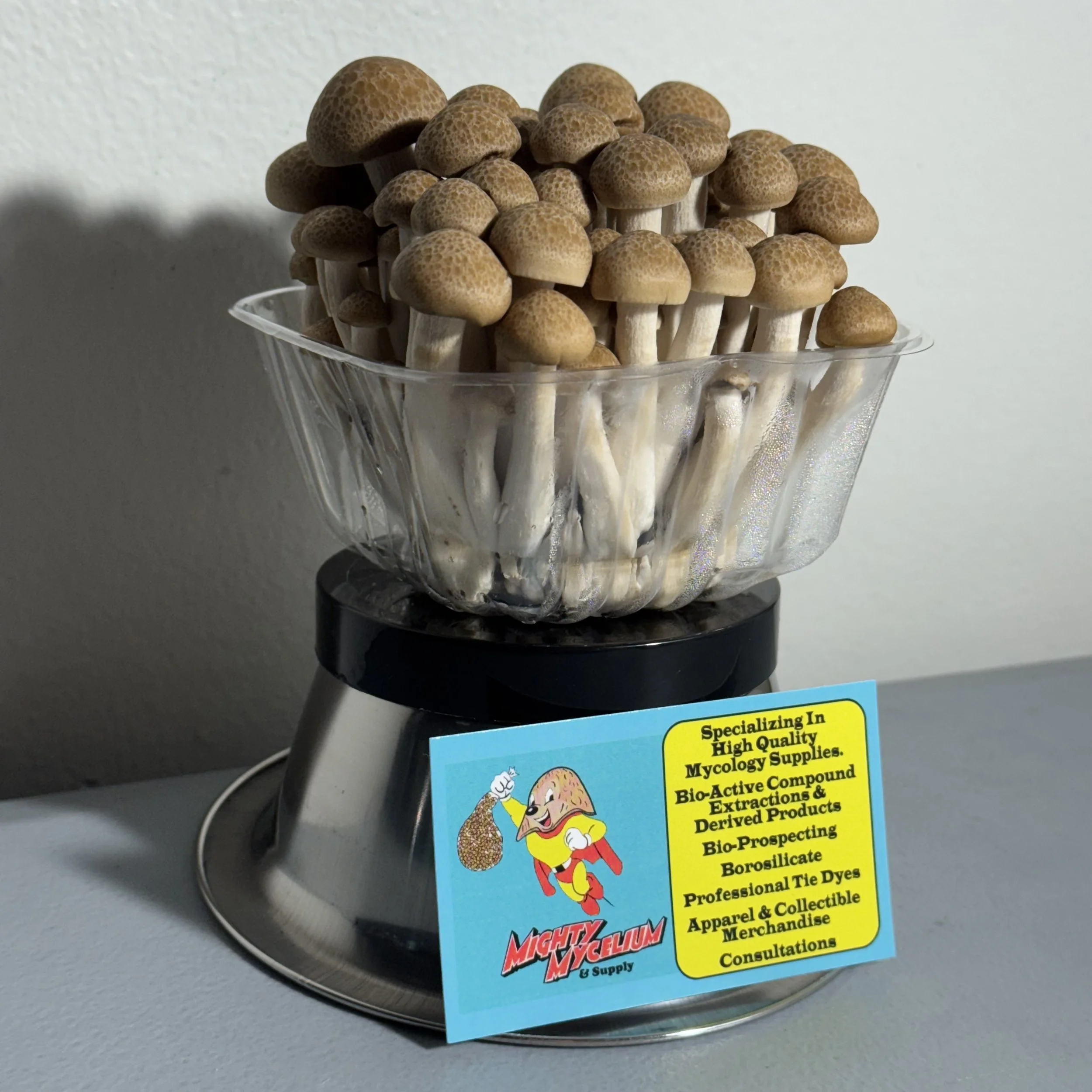
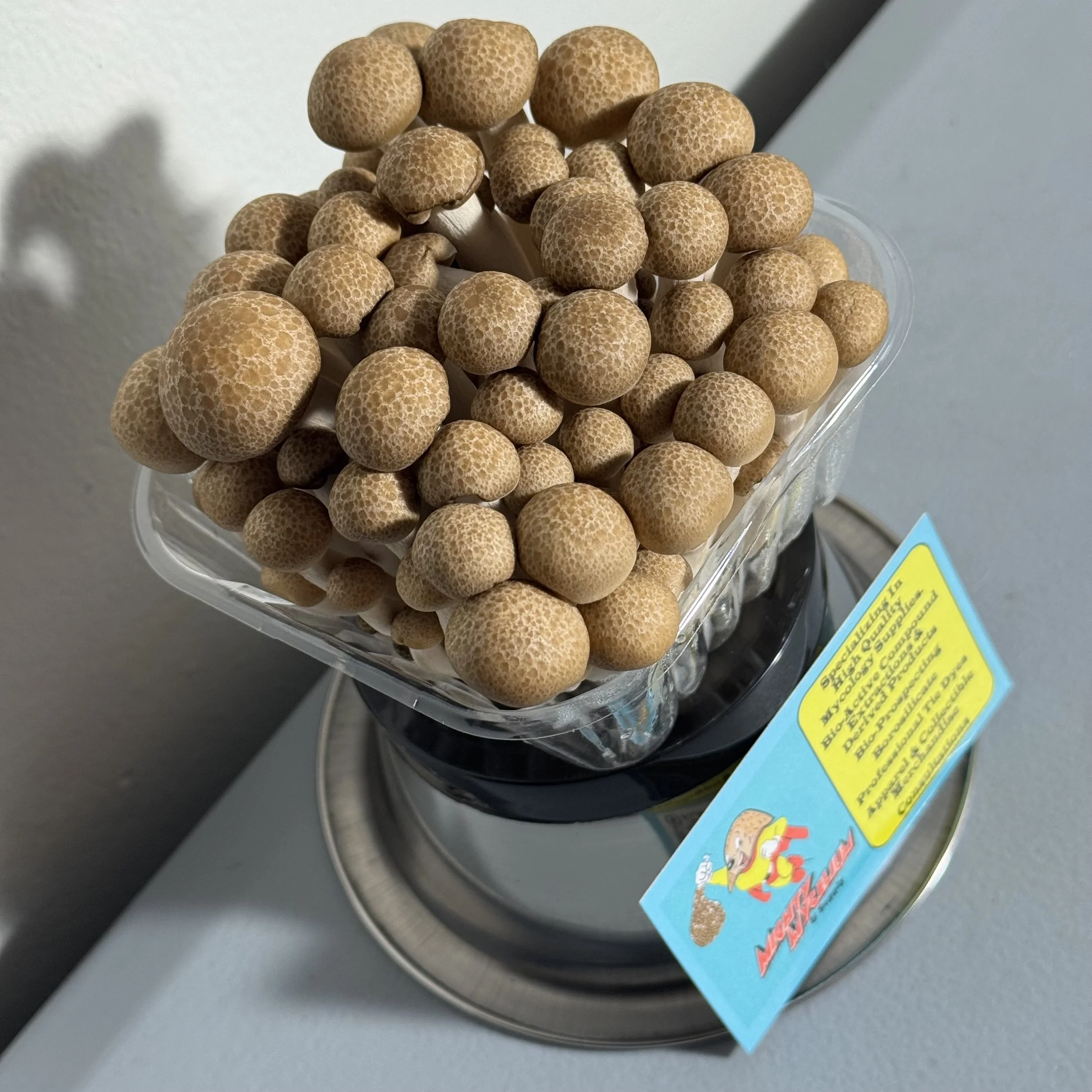
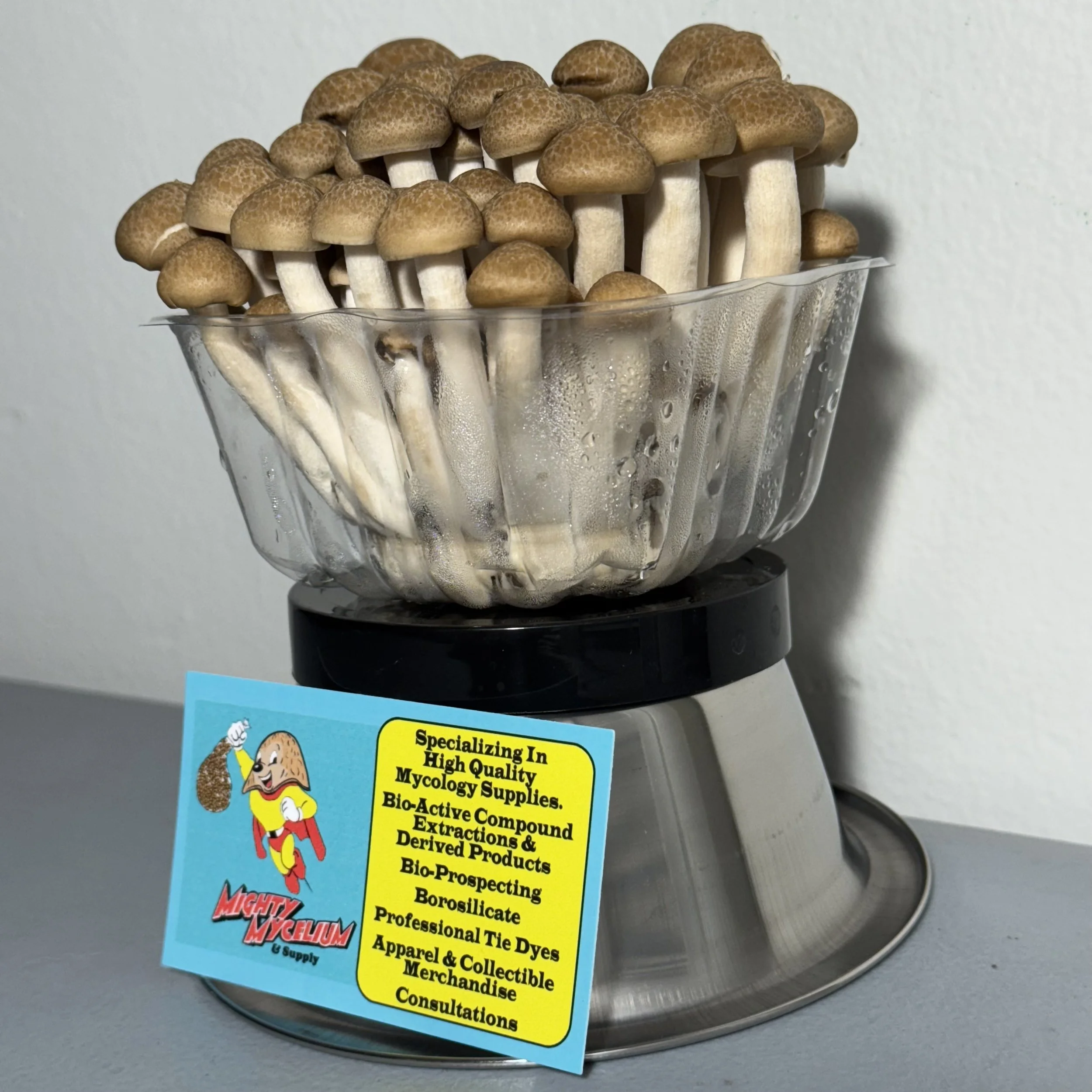
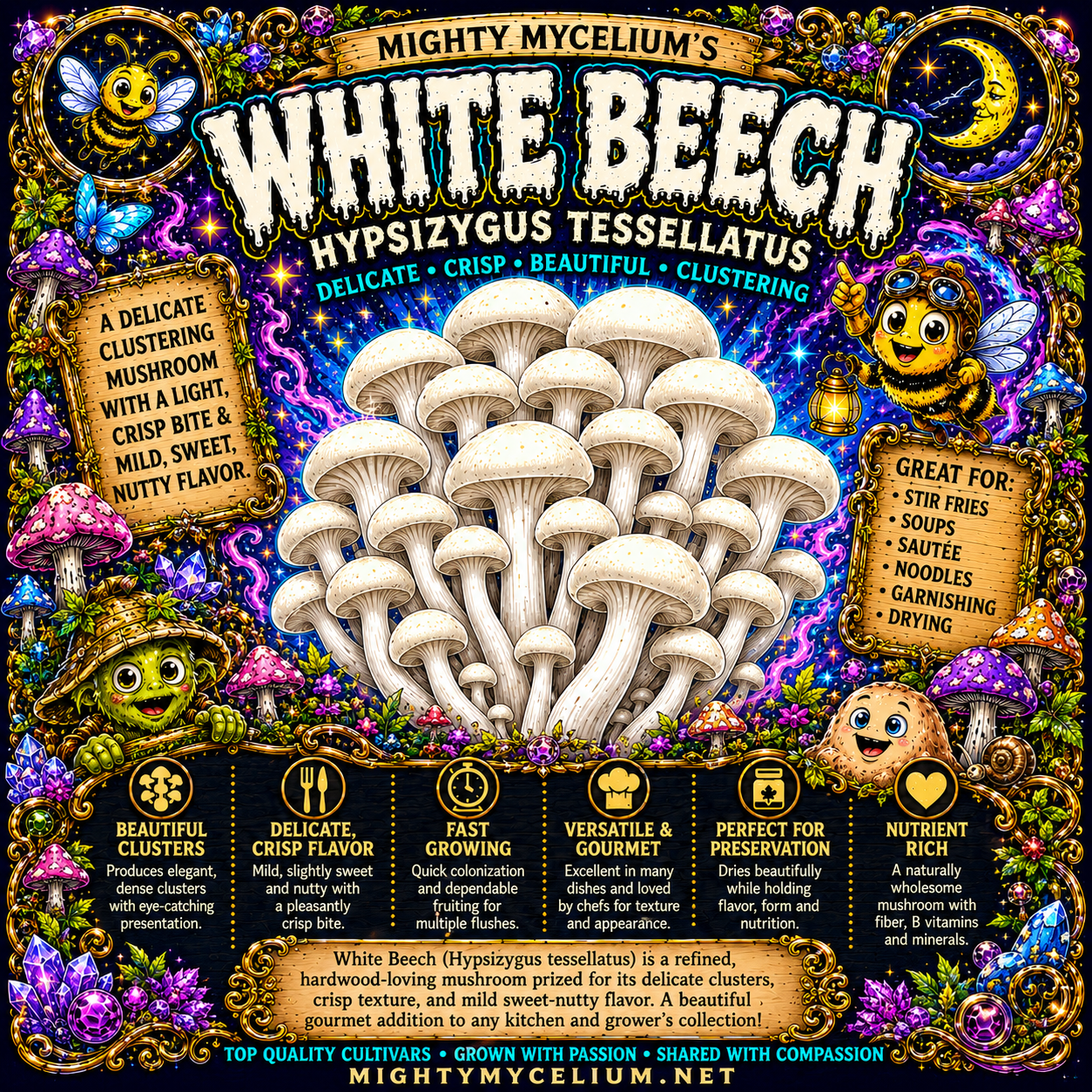
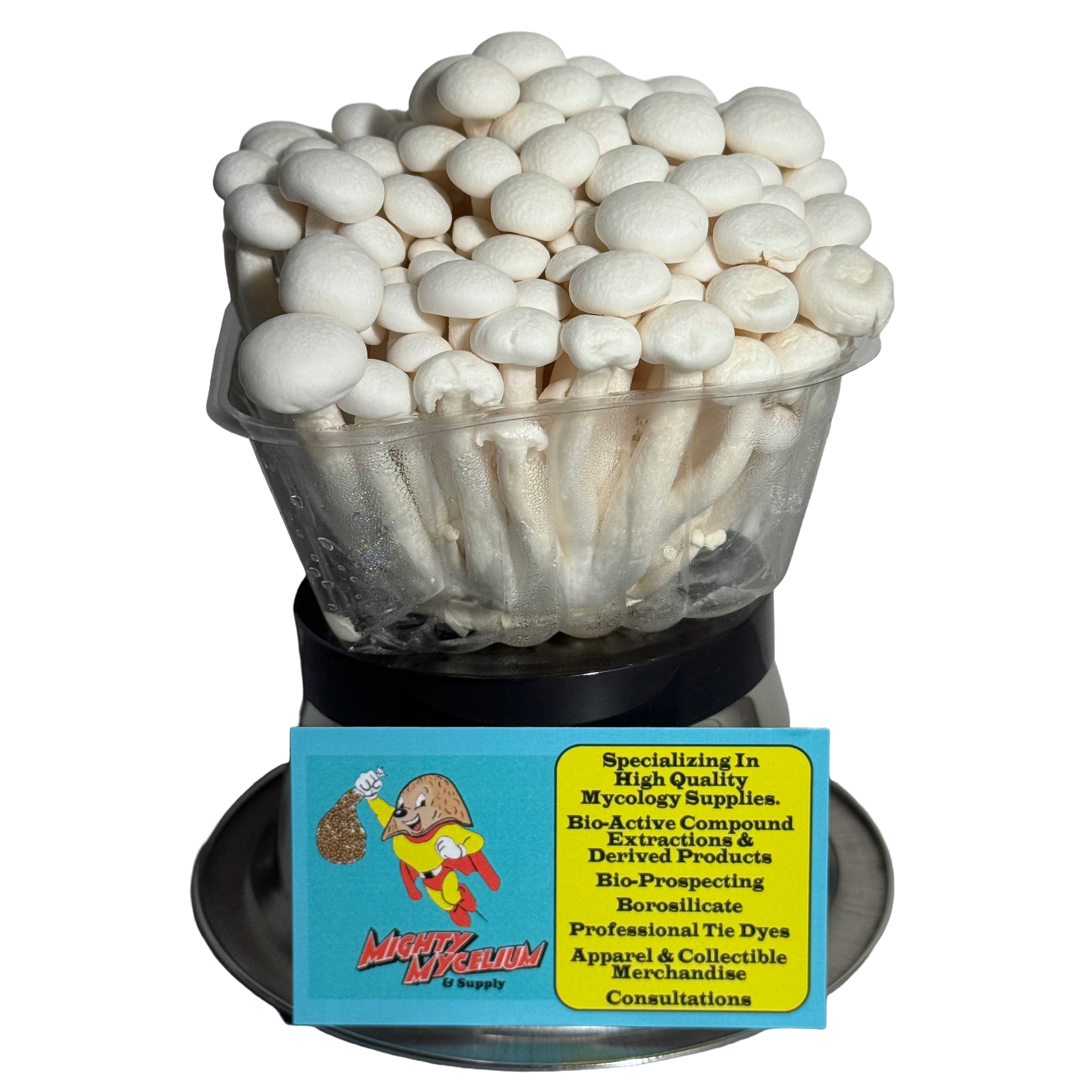
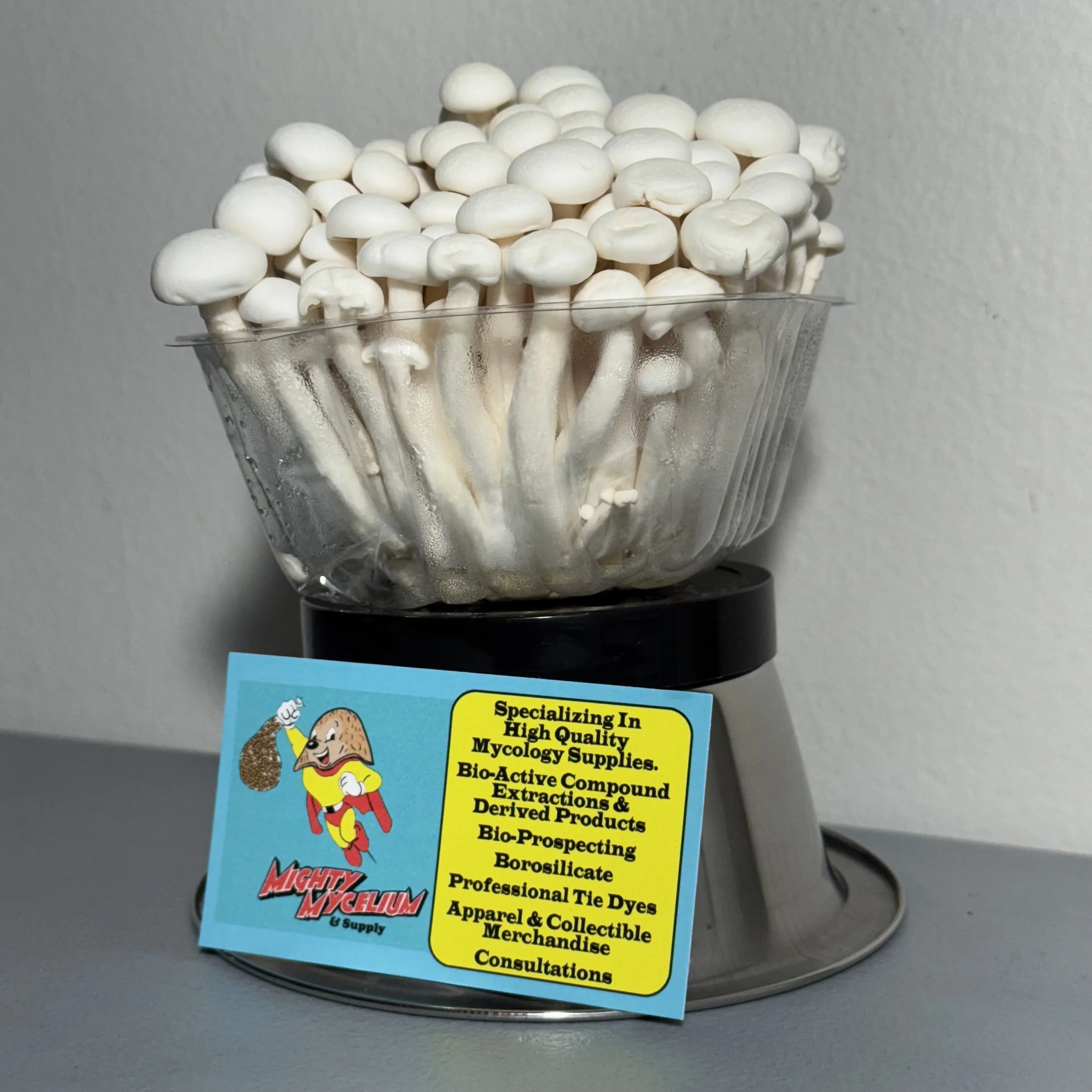
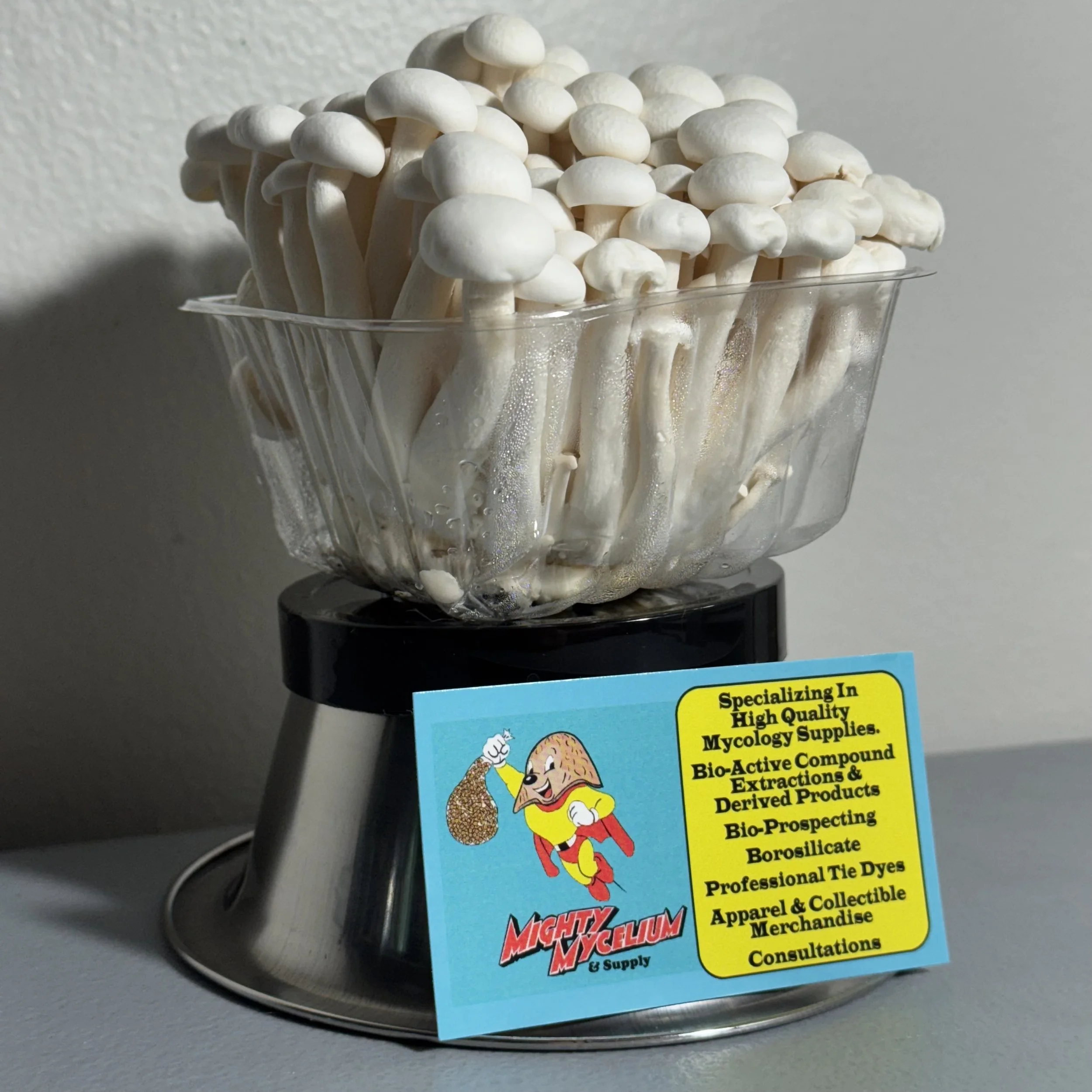
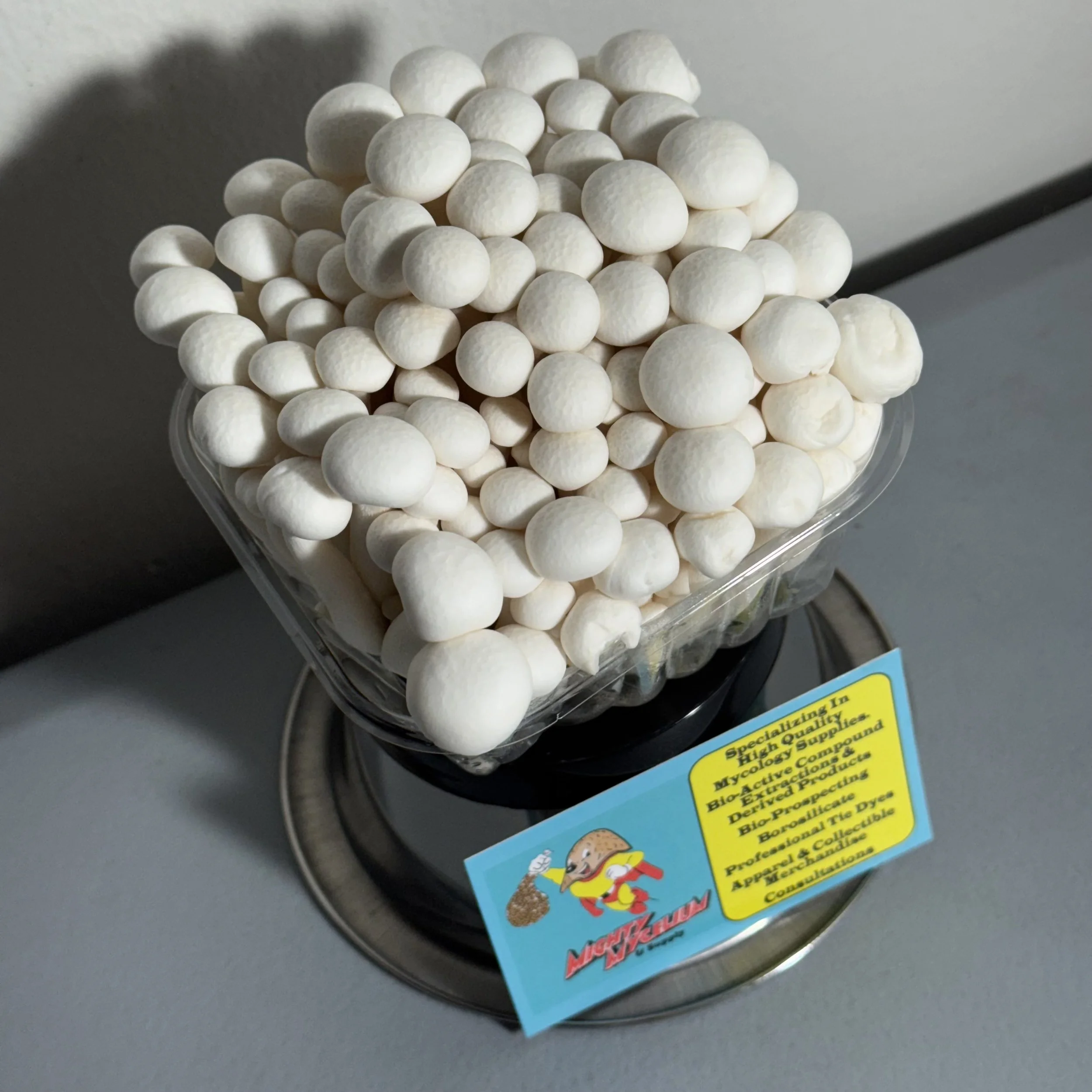
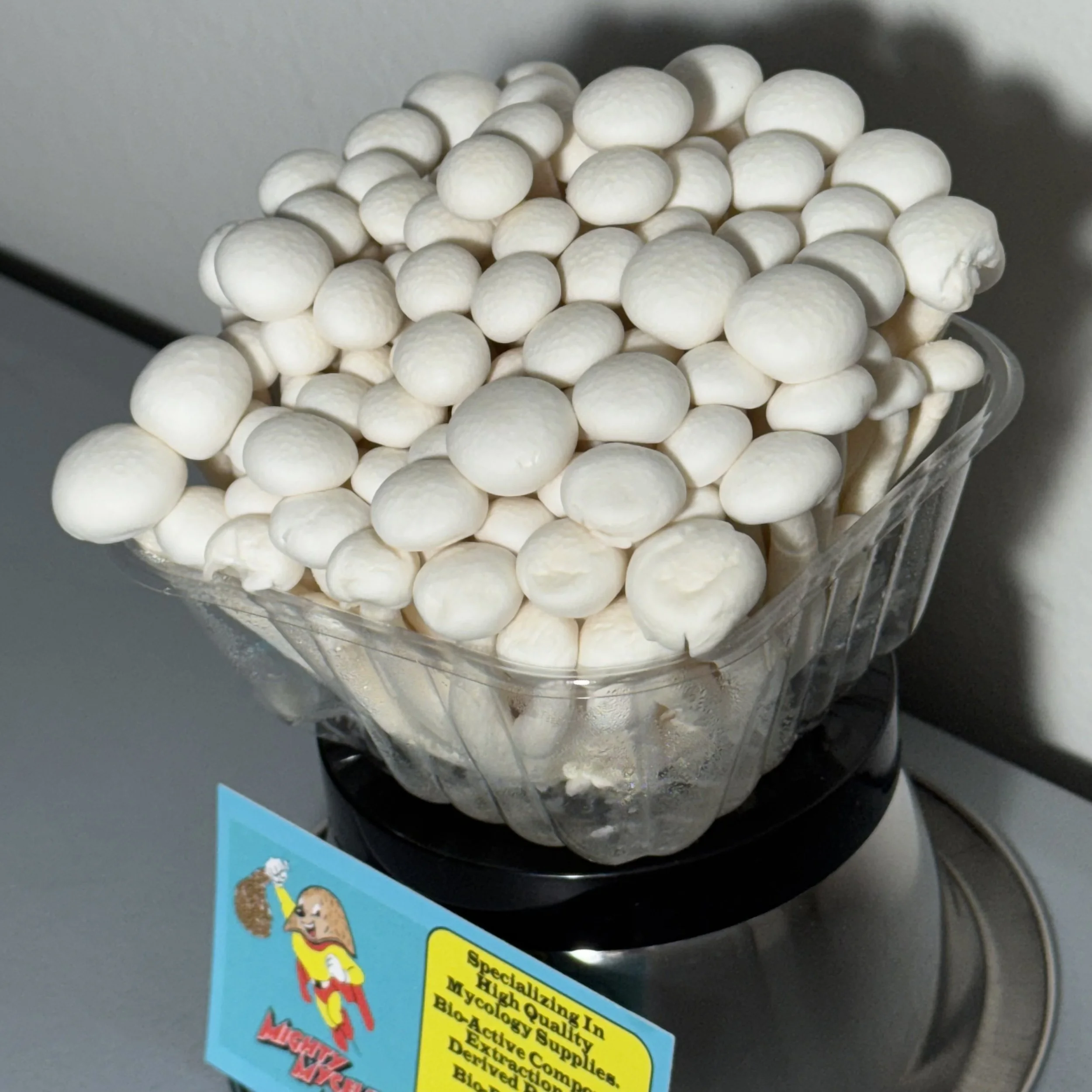
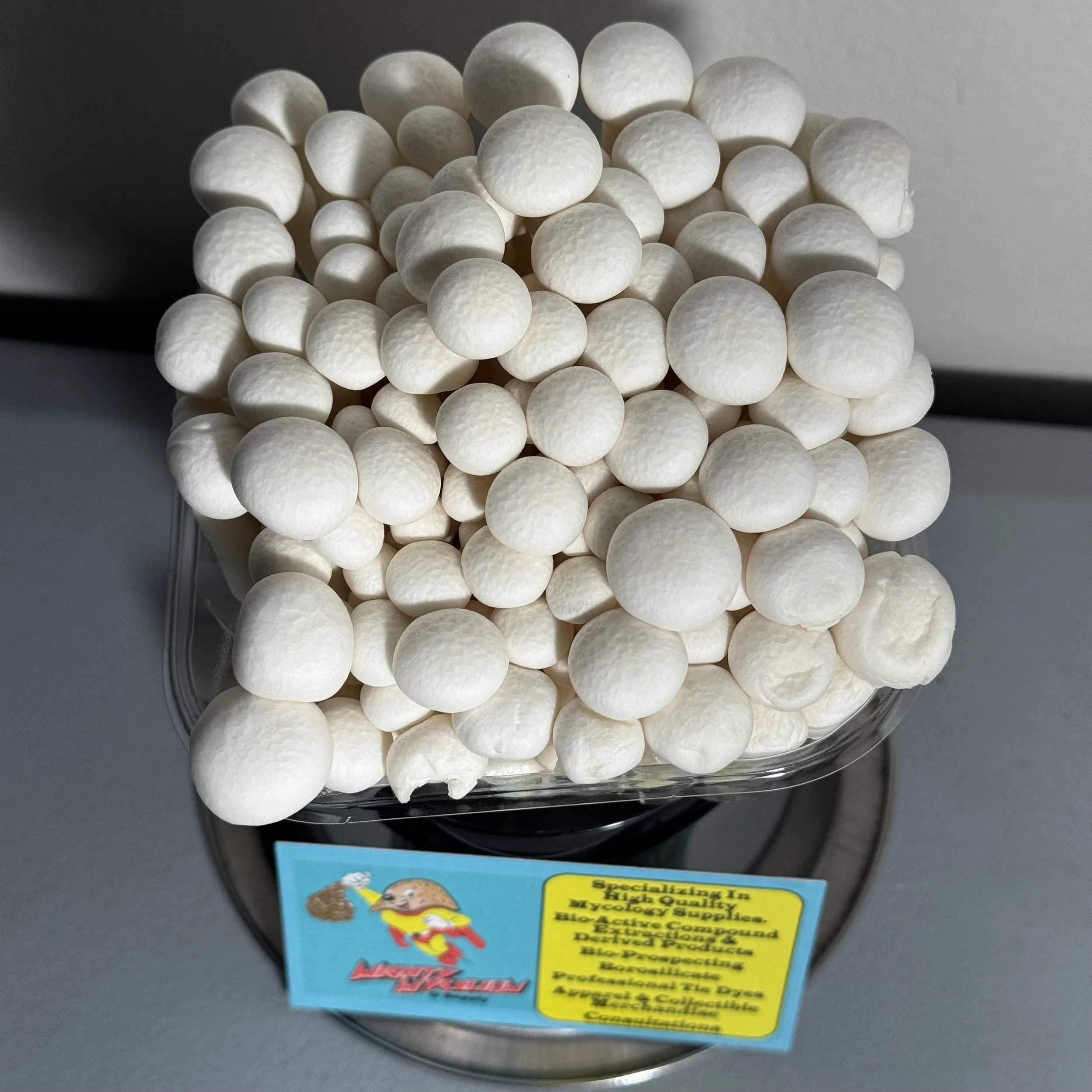
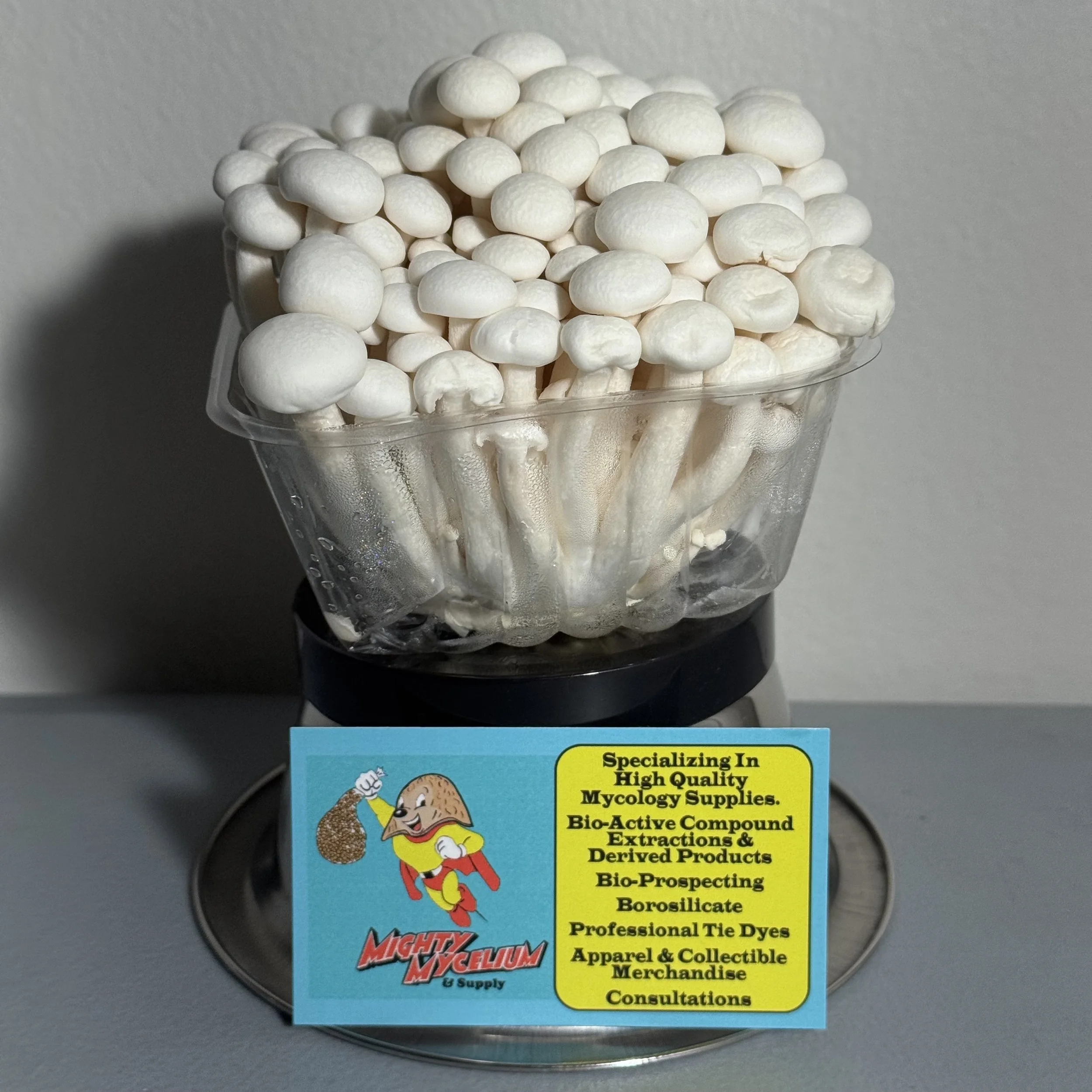
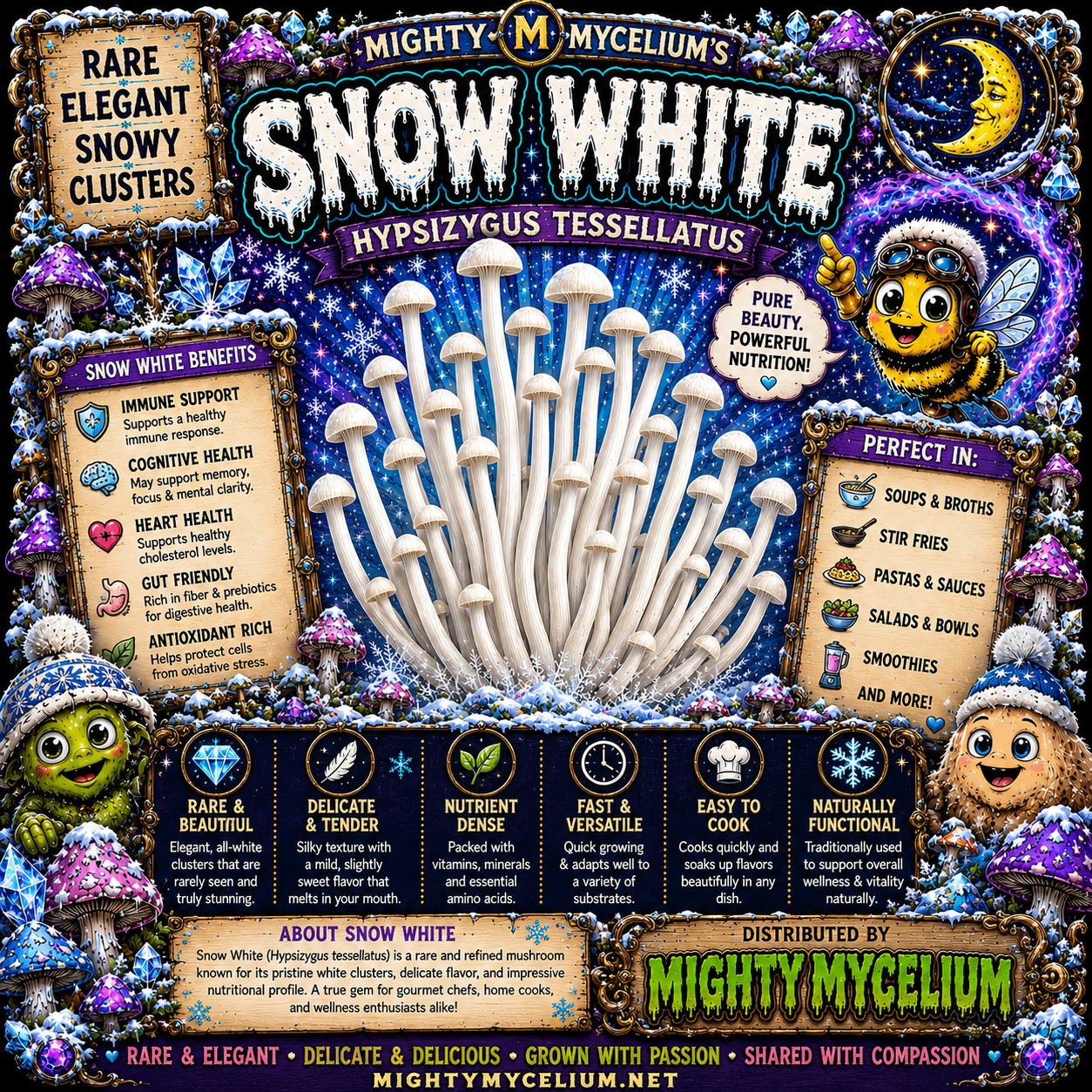
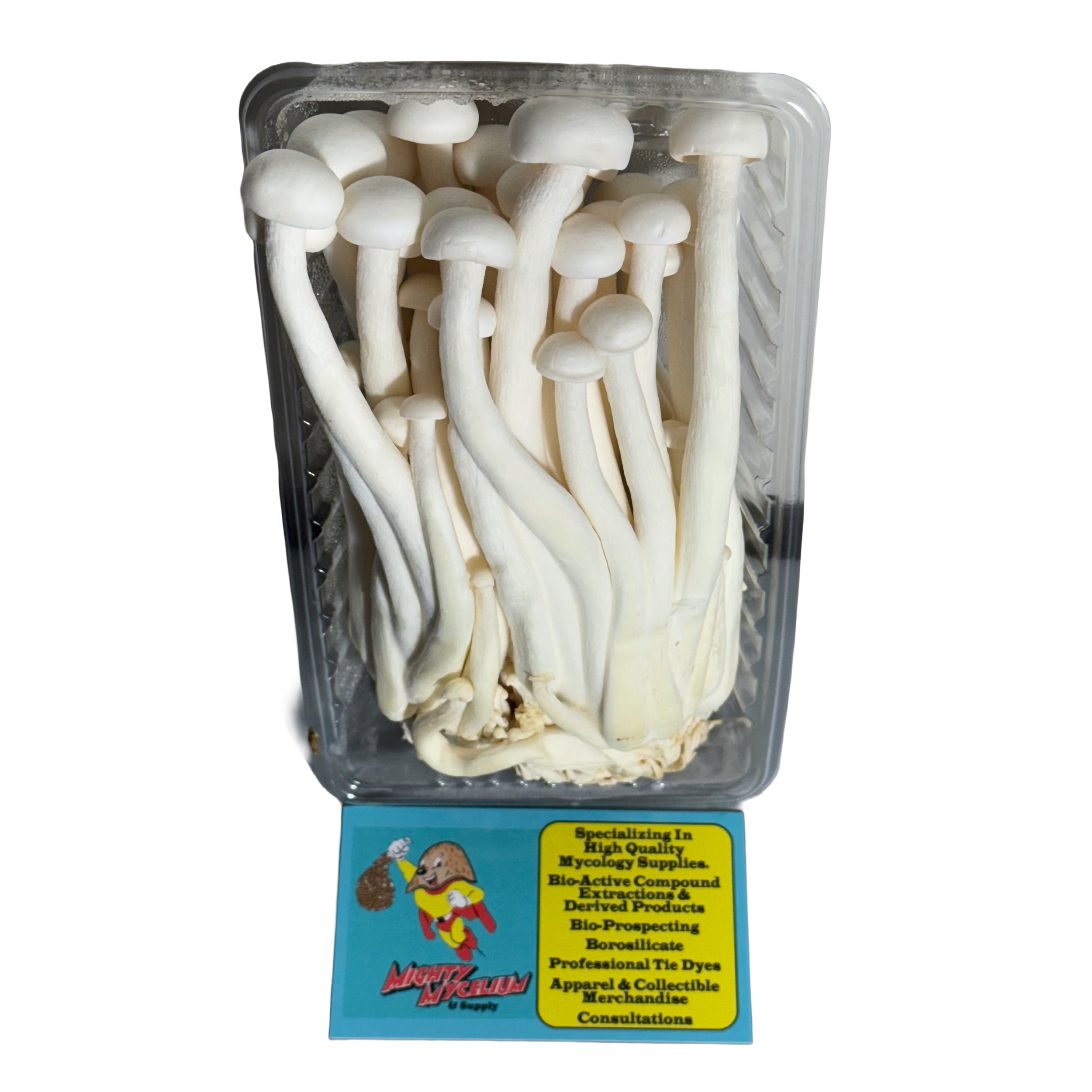
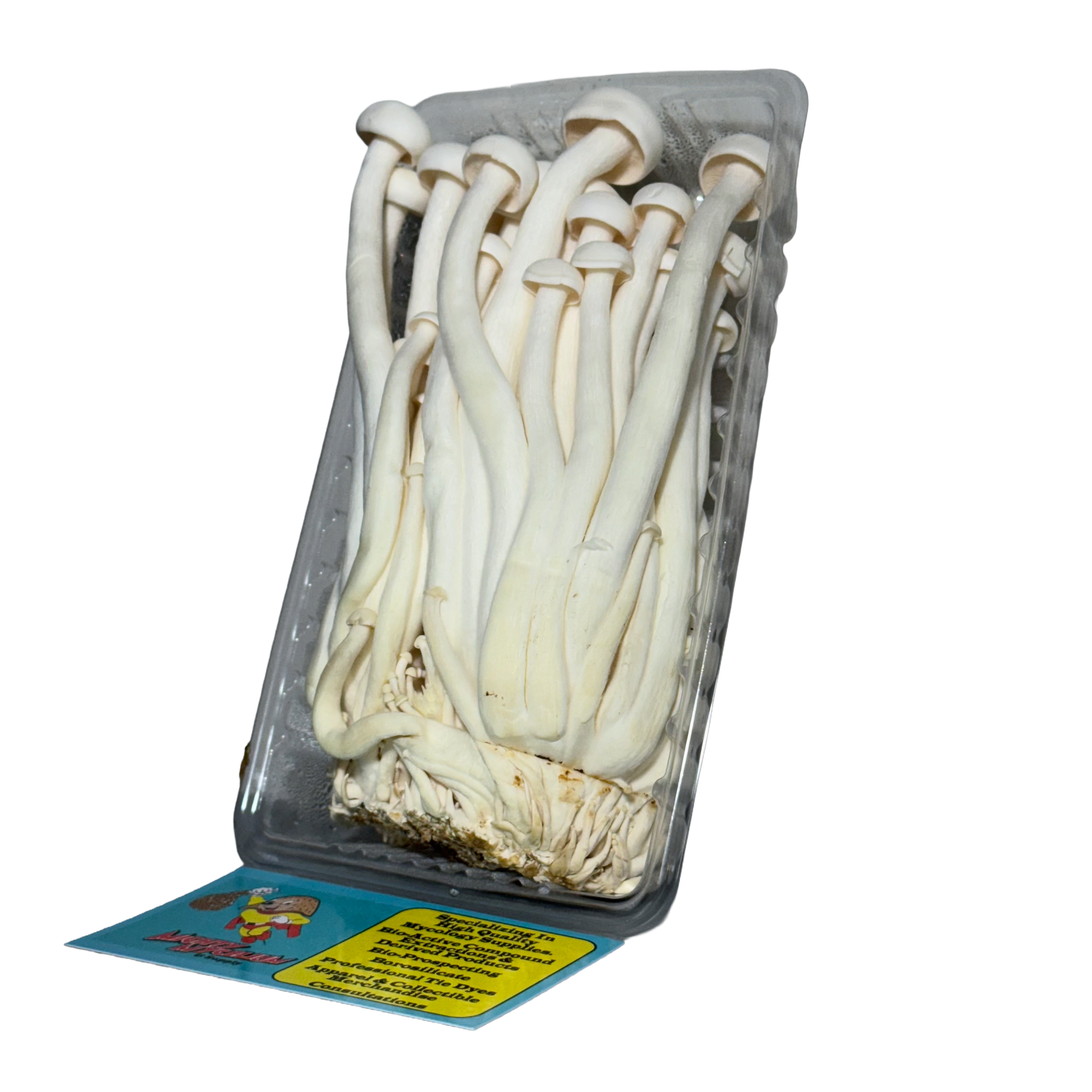
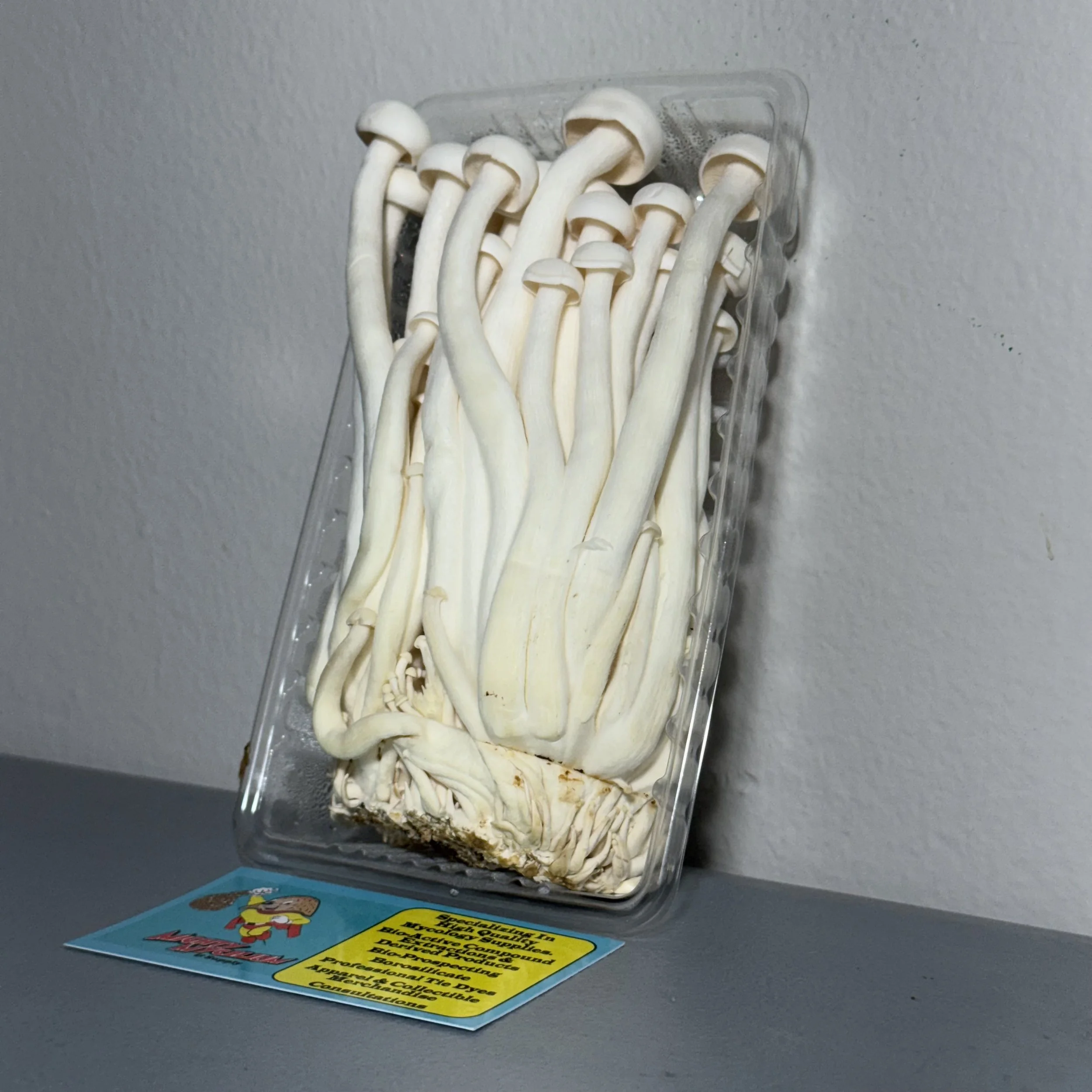
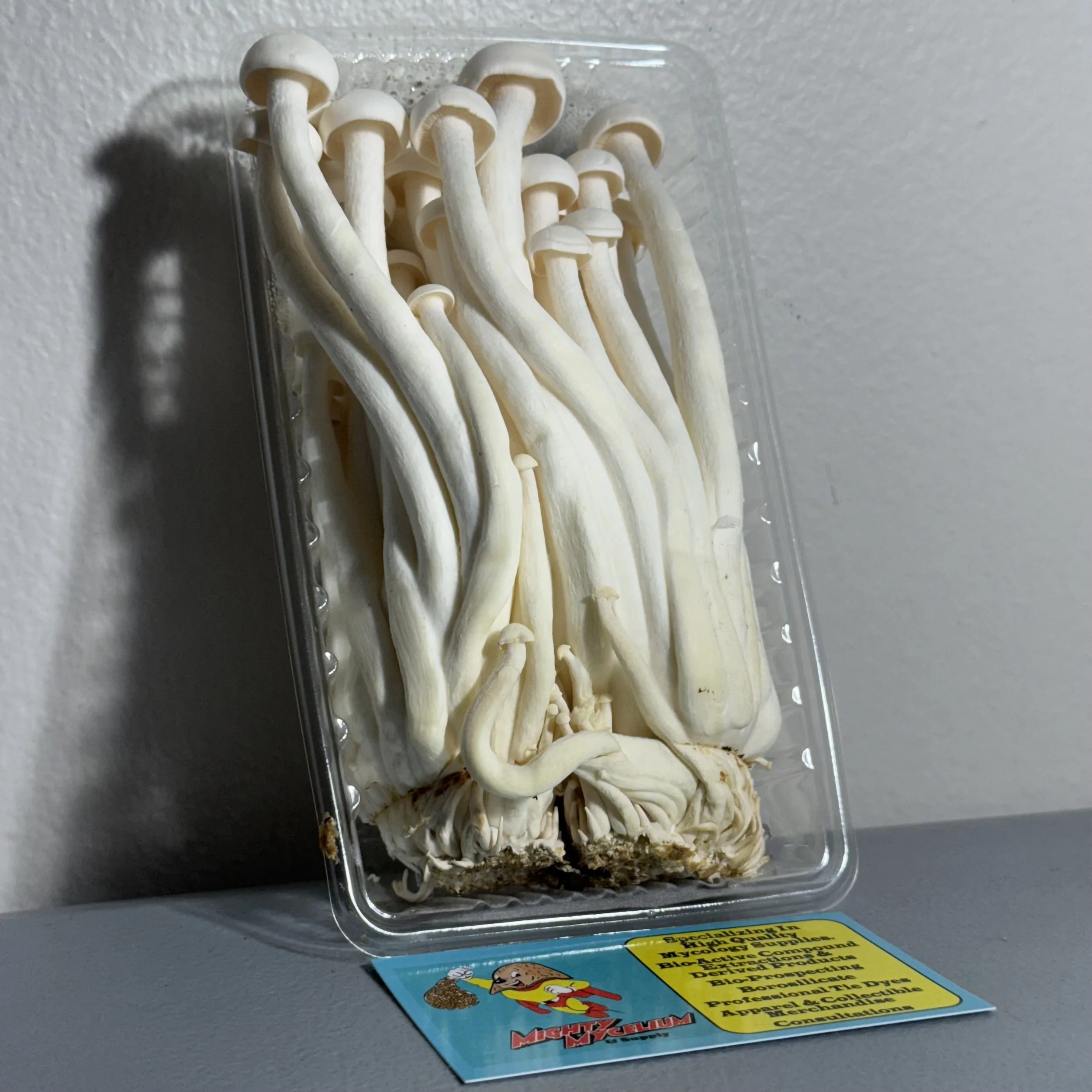
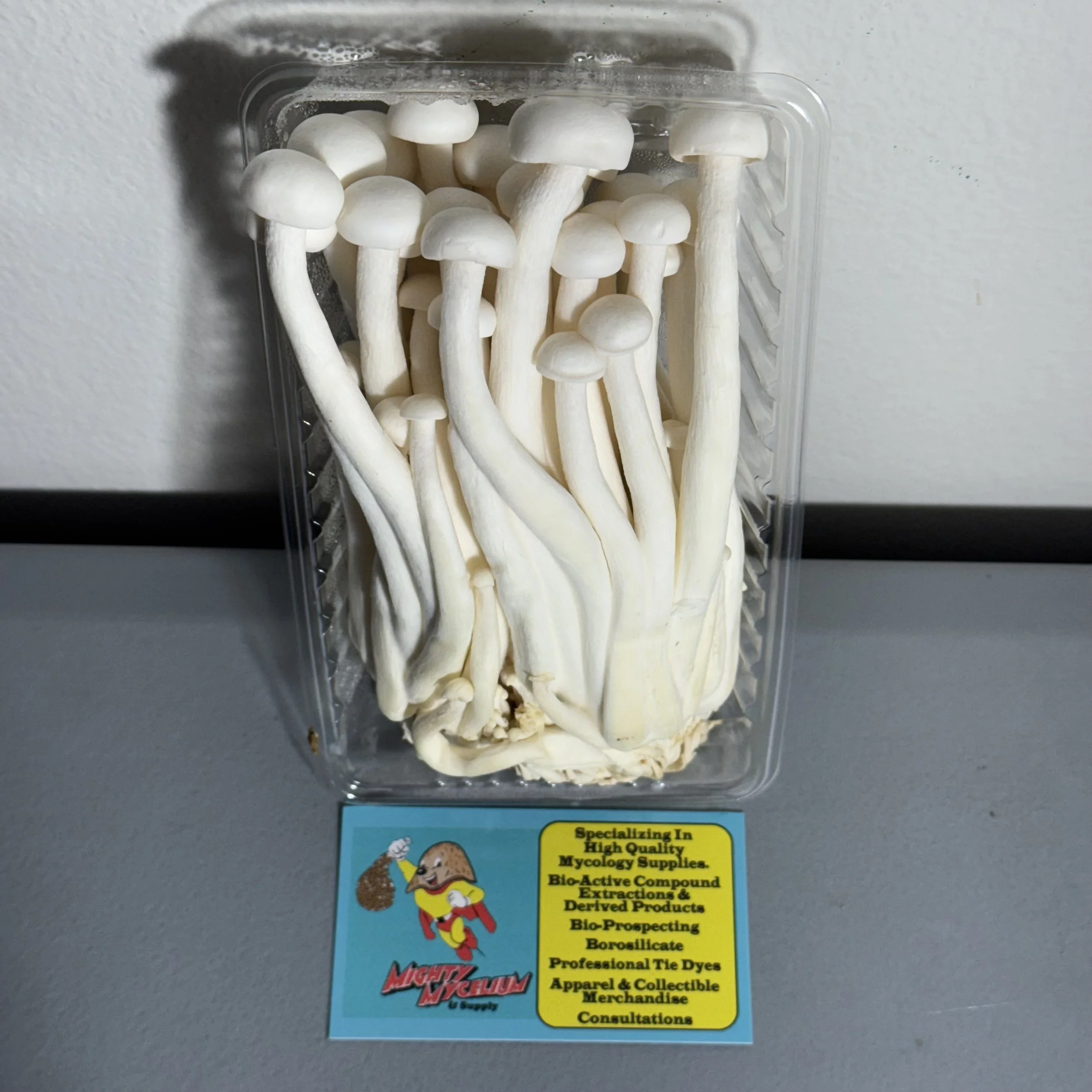
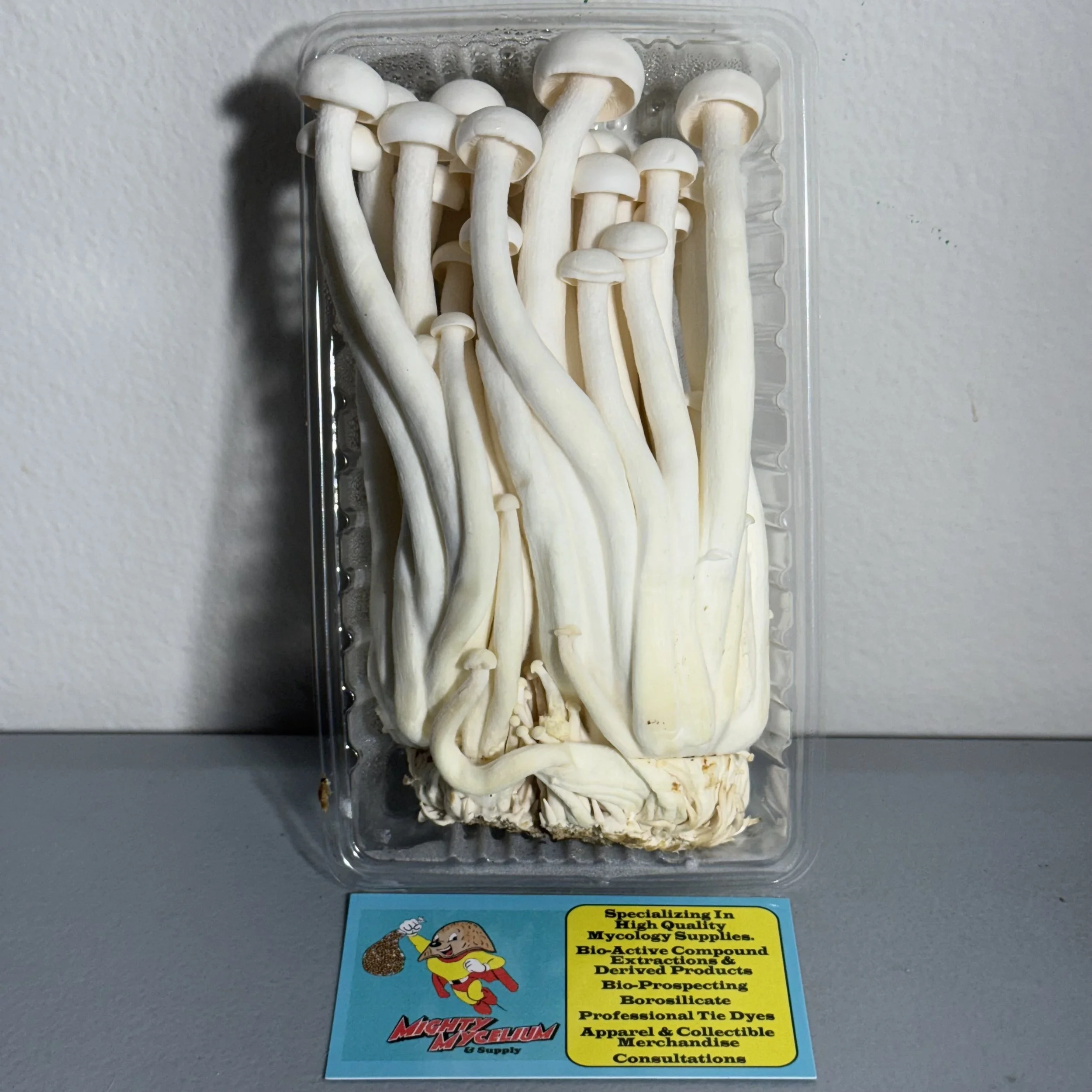
Shimeji (Hypsizygus tessellatus), also called Beech Mushroom, is a beloved gourmet species in Japanese and European cuisine. Known for its tight clusters of slender stems topped with round, dappled brown or pure white caps, Shimeji is a chef’s favorite for both flavor and presentation.
In the kitchen, Shimeji is firm and crunchy when cooked, with a nutty, savory taste and a hint of shellfish-like umami. Unlike oysters or shiitake, Shimeji is rarely eaten raw—it develops its true depth of flavor and digestibility when lightly sautéed, simmered, or roasted.
Cultivators appreciate Shimeji because it fruits in cool conditions, forms picture-perfect clusters, and commands a premium price at market. The mushroom is especially popular in Asian cooking, often featured in soups, stir-fries, nabemono (hot pot), and pasta dishes.
As always, produced with love and a touch of southern hospitality. 😉
Our spawn is built on organically grown milo grain, expanded into hardwood sawdust blocks with bran supplementation for reliable flushes of this elegant mushroom.
🍄 Beech / Shimeji: Comprehensive Profile
Overview
Common Names: Shimeji, Beech Mushroom
Scientific Name: Hypsizygus tessellatus (sometimes labeled Hypsizygus marmoreus)
Family: Lyophyllaceae
Ecological Role: Saprotroph (wood decomposer)
Habitat: Dead/dying hardwoods (esp. beech, oak)
Distribution: Native to East Asia; now cultivated worldwide
🔬 Taxonomy
Rank
Classification
Domain
Eukaryota
Kingdom
Fungi
Phylum
Basidiomycota
Class
Agaricomycetes
Order
Agaricales
Family
Lyophyllaceae
Genus
Hypsizygus
Species
H. tessellatus
🧬 Morphological Characteristics
Fruiting Body:
Cap: Small (2–5 cm), convex to round; dappled brown/gray (“brown shimeji”) or pure white (“white shimeji”)
Stem: Slender, firm, 5–10 cm tall, cream-colored
Gills: White to pale cream, crowded, attached
Flesh: Firm, crisp; nutty aroma
Spore Print: White
Flavor/Texture:
Nutty, umami-rich flavor with slight shellfish undertones
Crunchy texture; holds up well in cooking
🌍 Ecology & Distribution
Native to East Asia (Japan, China, Korea); naturalized in temperate forests on beech and oak
Widely cultivated in controlled indoor farms
Performs best on supplemented hardwood sawdust substrates
🌿 Distinguishing Features
vs Enoki (Flammulina velutipes): Shimeji has round caps, thicker stems; Enoki is long and needle-like
vs Pioppino (Agrocybe aegerita): Shimeji caps are smaller, clustered tighter, more delicate flavor
vs Oysters (Pleurotus spp.): Shimeji has firmer texture, denser clusters, and more subtle flavor
⚕️ Culinary & Nutritional Potential
Culinary:
Excellent in stir-fries, soups, hot pots, pasta, and risottos
Holds shape and texture better than oysters when simmered
Best cooked; raw Shimeji can be bitter
Nutritional/Medicinal:
High in dietary fiber, B vitamins, potassium, and amino acids
Contains β-glucans with potential immune-supporting properties
Antioxidant-rich, low in calories
⚠️ Toxicity / Edibility
Edible and highly regarded
Mild bitterness when raw — always cook before eating
📸 Cultivation Notes
Substrate: Hardwood sawdust with bran or soy hull supplementation
Spawn Run: 2–3 weeks on grain; 4–6 weeks on sawdust blocks
Fruiting Conditions:
Temp: 55–65°F (13–18°C) optimal
Humidity: 85–95%
Fresh Air: Moderate; needs balance for tight, compact clusters
Yield: Moderate to high; clusters dense and uniform
Shelf Life: 7–10 days refrigerated, longer than oysters
📚 Historical & Cultural Notes
Widely cultivated in Japan since the mid-20th century
“Shimeji” refers to several species, but Hypsizygus tessellatus is the most common cultivated form
Featured in traditional Japanese soups, hot pots, and modern fusion cuisine
✅ Summary: Key Points on Beech / Shimeji
Dense clusters of small, round-capped mushrooms
Nutty, umami-rich flavor with crunchy texture
Prefers cool fruiting conditions (55–65°F)
Popular in Asian cuisine; premium-value gourmet mushroom
More delicate to grow than oysters but longer shelf life
Beech / Shimeji – (Hypsizygus tessellatus)
Shimeji Mushroom: The Beech-Loving Delicacy
Shimeji (Hypsizygus tessellatus), also called Beech Mushroom, is a beloved gourmet species in Japanese and European cuisine. Known for its tight clusters of slender stems topped with round, dappled brown or pure white caps, Shimeji is a chef’s favorite for both flavor and presentation.
In the kitchen, Shimeji is firm and crunchy when cooked, with a nutty, savory taste and a hint of shellfish-like umami. Unlike oysters or shiitake, Shimeji is rarely eaten raw—it develops its true depth of flavor and digestibility when lightly sautéed, simmered, or roasted.
Cultivators appreciate Shimeji because it fruits in cool conditions, forms picture-perfect clusters, and commands a premium price at market. The mushroom is especially popular in Asian cooking, often featured in soups, stir-fries, nabemono (hot pot), and pasta dishes.
As always, produced with love and a touch of southern hospitality. 😉
Our spawn is built on organically grown milo grain, expanded into hardwood sawdust blocks with bran supplementation for reliable flushes of this elegant mushroom.
🍄 Beech / Shimeji: Comprehensive Profile
Overview
Common Names: Shimeji, Beech Mushroom
Scientific Name: Hypsizygus tessellatus (sometimes labeled Hypsizygus marmoreus)
Family: Lyophyllaceae
Ecological Role: Saprotroph (wood decomposer)
Habitat: Dead/dying hardwoods (esp. beech, oak)
Distribution: Native to East Asia; now cultivated worldwide
🔬 Taxonomy
Rank
Classification
Domain
Eukaryota
Kingdom
Fungi
Phylum
Basidiomycota
Class
Agaricomycetes
Order
Agaricales
Family
Lyophyllaceae
Genus
Hypsizygus
Species
H. tessellatus
🧬 Morphological Characteristics
Fruiting Body:
Cap: Small (2–5 cm), convex to round; dappled brown/gray (“brown shimeji”) or pure white (“white shimeji”)
Stem: Slender, firm, 5–10 cm tall, cream-colored
Gills: White to pale cream, crowded, attached
Flesh: Firm, crisp; nutty aroma
Spore Print: White
Flavor/Texture:
Nutty, umami-rich flavor with slight shellfish undertones
Crunchy texture; holds up well in cooking
🌍 Ecology & Distribution
Native to East Asia (Japan, China, Korea); naturalized in temperate forests on beech and oak
Widely cultivated in controlled indoor farms
Performs best on supplemented hardwood sawdust substrates
🌿 Distinguishing Features
vs Enoki (Flammulina velutipes): Shimeji has round caps, thicker stems; Enoki is long and needle-like
vs Pioppino (Agrocybe aegerita): Shimeji caps are smaller, clustered tighter, more delicate flavor
vs Oysters (Pleurotus spp.): Shimeji has firmer texture, denser clusters, and more subtle flavor
⚕️ Culinary & Nutritional Potential
Culinary:
Excellent in stir-fries, soups, hot pots, pasta, and risottos
Holds shape and texture better than oysters when simmered
Best cooked; raw Shimeji can be bitter
Nutritional/Medicinal:
High in dietary fiber, B vitamins, potassium, and amino acids
Contains β-glucans with potential immune-supporting properties
Antioxidant-rich, low in calories
⚠️ Toxicity / Edibility
Edible and highly regarded
Mild bitterness when raw — always cook before eating
📸 Cultivation Notes
Substrate: Hardwood sawdust with bran or soy hull supplementation
Spawn Run: 2–3 weeks on grain; 4–6 weeks on sawdust blocks
Fruiting Conditions:
Temp: 55–65°F (13–18°C) optimal
Humidity: 85–95%
Fresh Air: Moderate; needs balance for tight, compact clusters
Yield: Moderate to high; clusters dense and uniform
Shelf Life: 7–10 days refrigerated, longer than oysters
📚 Historical & Cultural Notes
Widely cultivated in Japan since the mid-20th century
“Shimeji” refers to several species, but Hypsizygus tessellatus is the most common cultivated form
Featured in traditional Japanese soups, hot pots, and modern fusion cuisine
✅ Summary: Key Points on Beech / Shimeji
Dense clusters of small, round-capped mushrooms
Nutty, umami-rich flavor with crunchy texture
Prefers cool fruiting conditions (55–65°F)
Popular in Asian cuisine; premium-value gourmet mushroom
More delicate to grow than oysters but longer shelf life