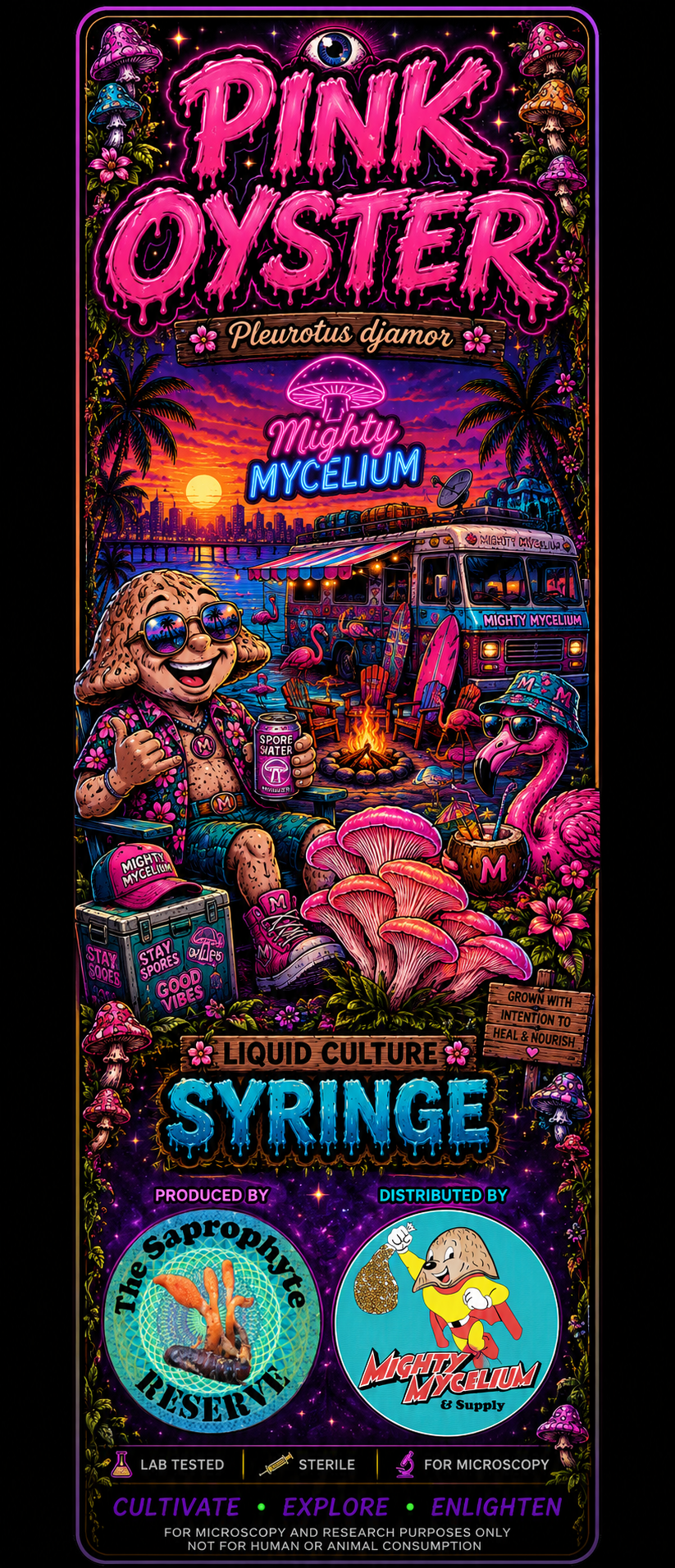
Pink Oyster (Pleurotus Djamor) Liquid Culture Syringe

$34.99

Pink Oyster – (Pleurotus djamor)

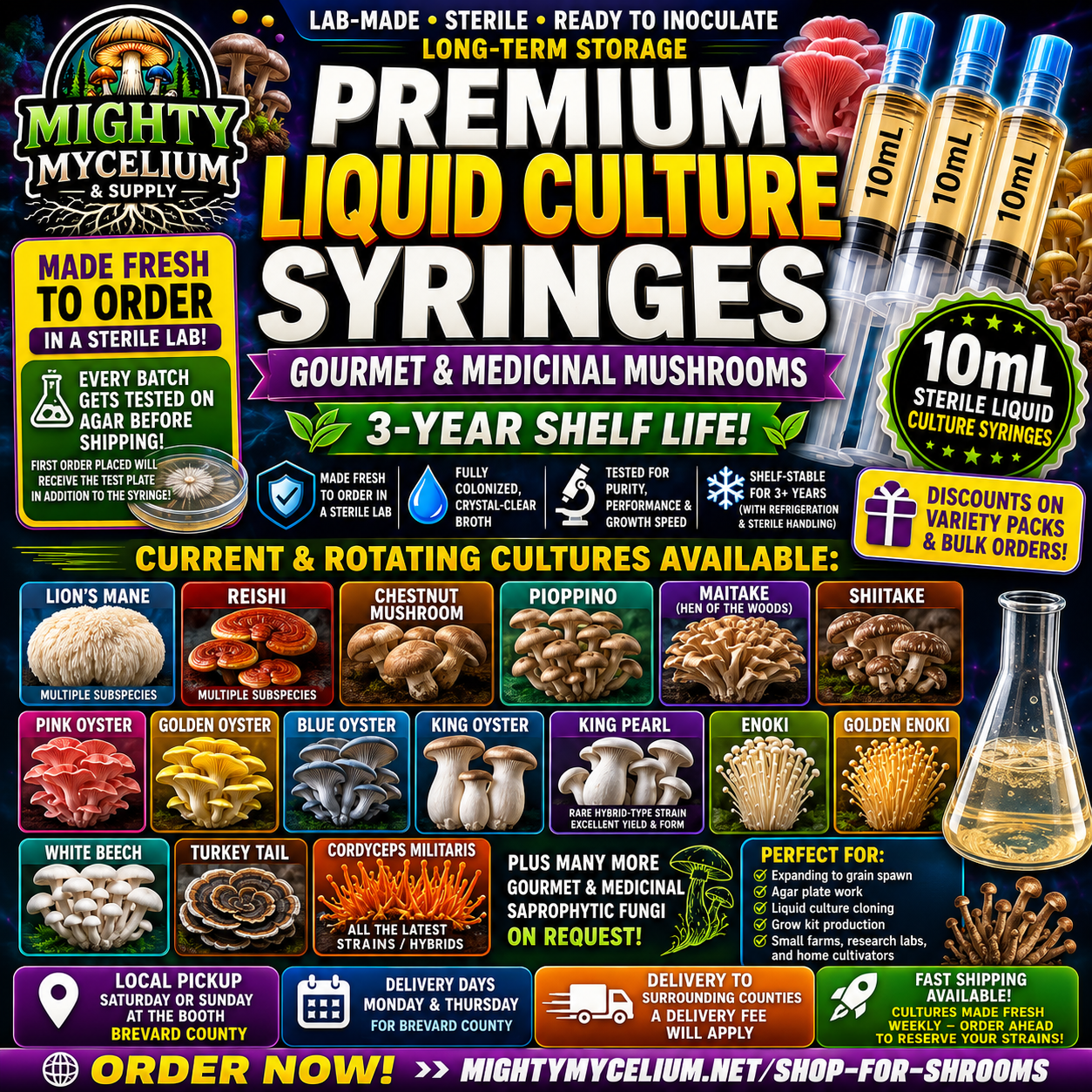
We offer fresh-made Agar plates, Slants, Liquid Cultures, and Spore Syringes, all prepared to order in a sterile environment. Please allow 3–5 business days for processing before shipment.

Pink Oyster Mushroom: The Showstopper

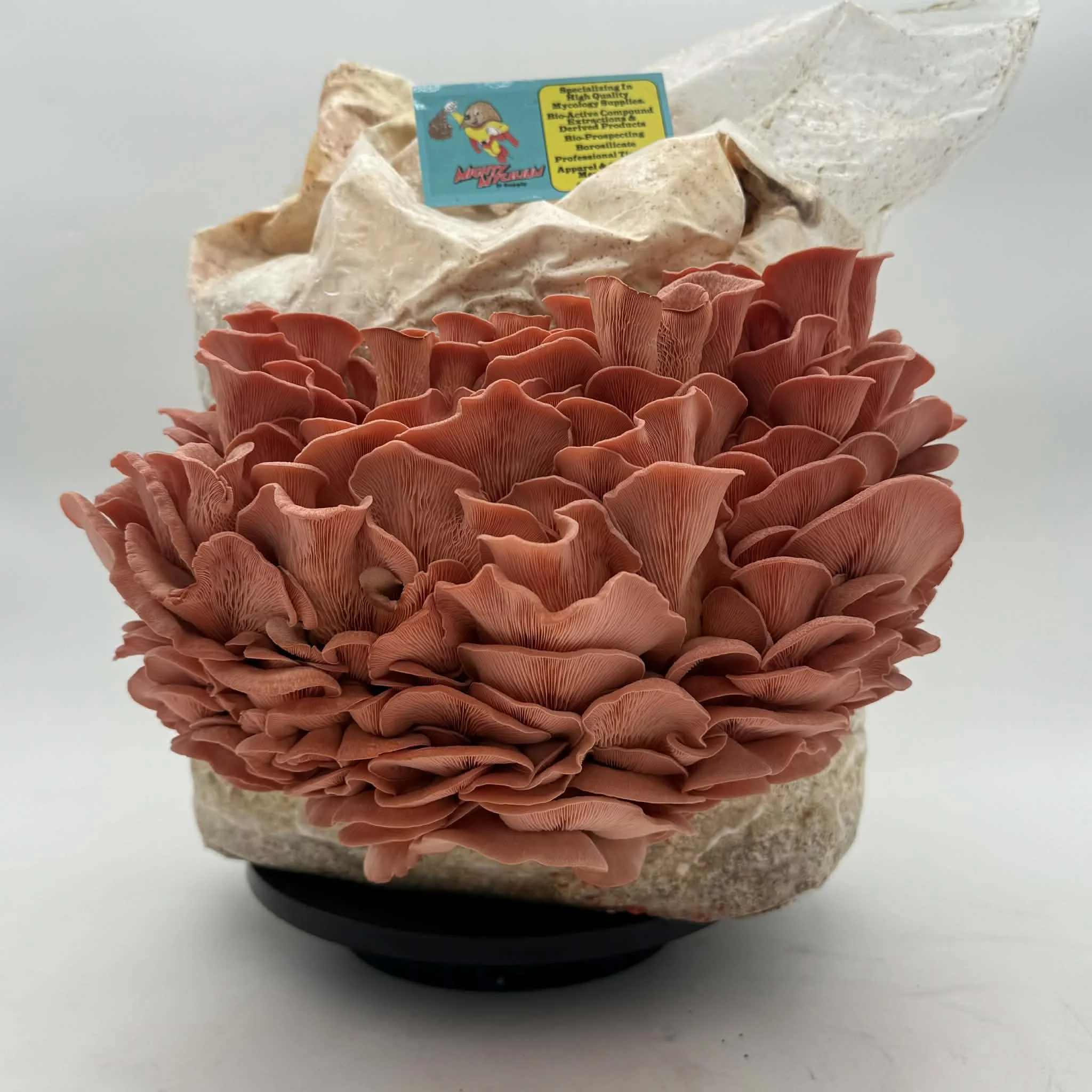
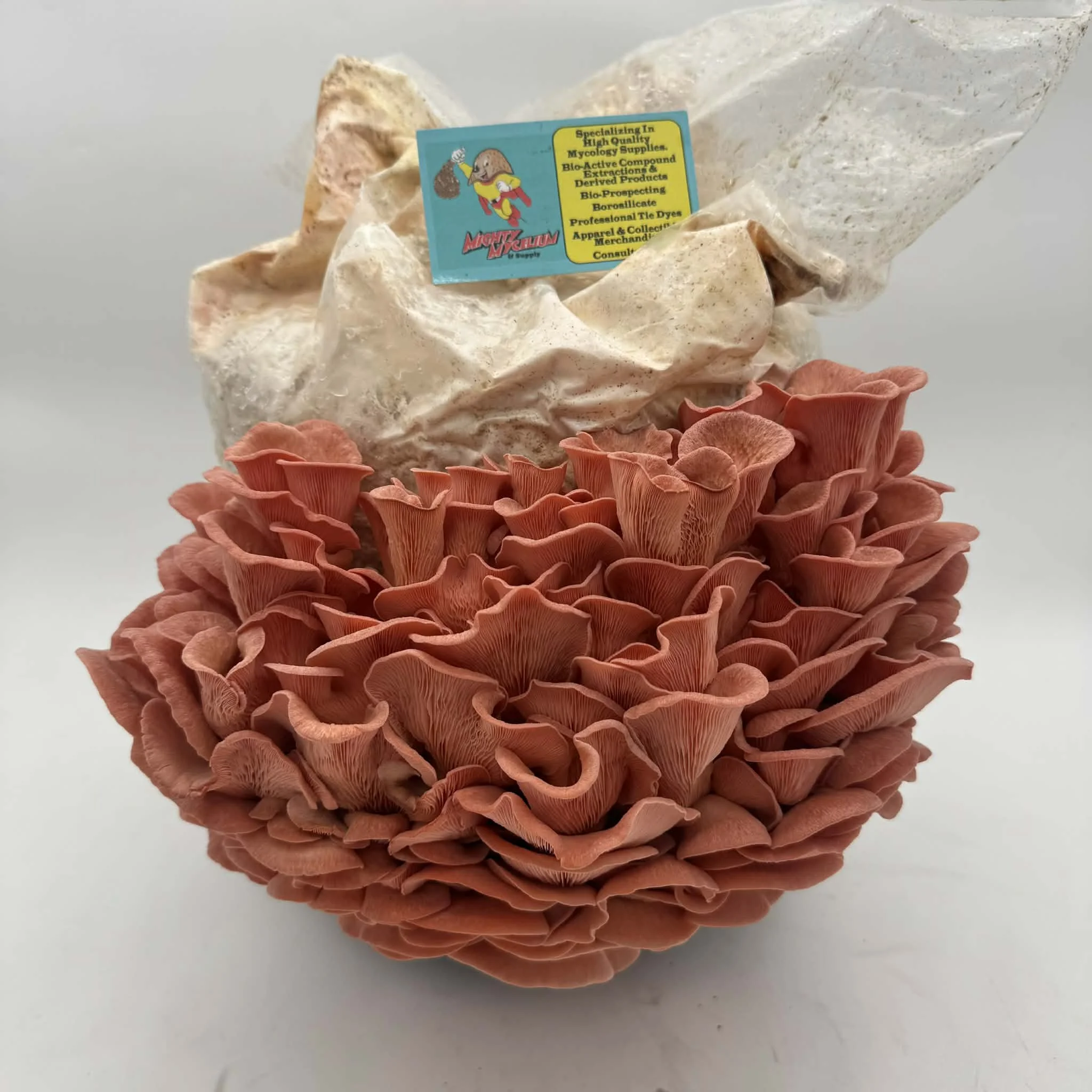
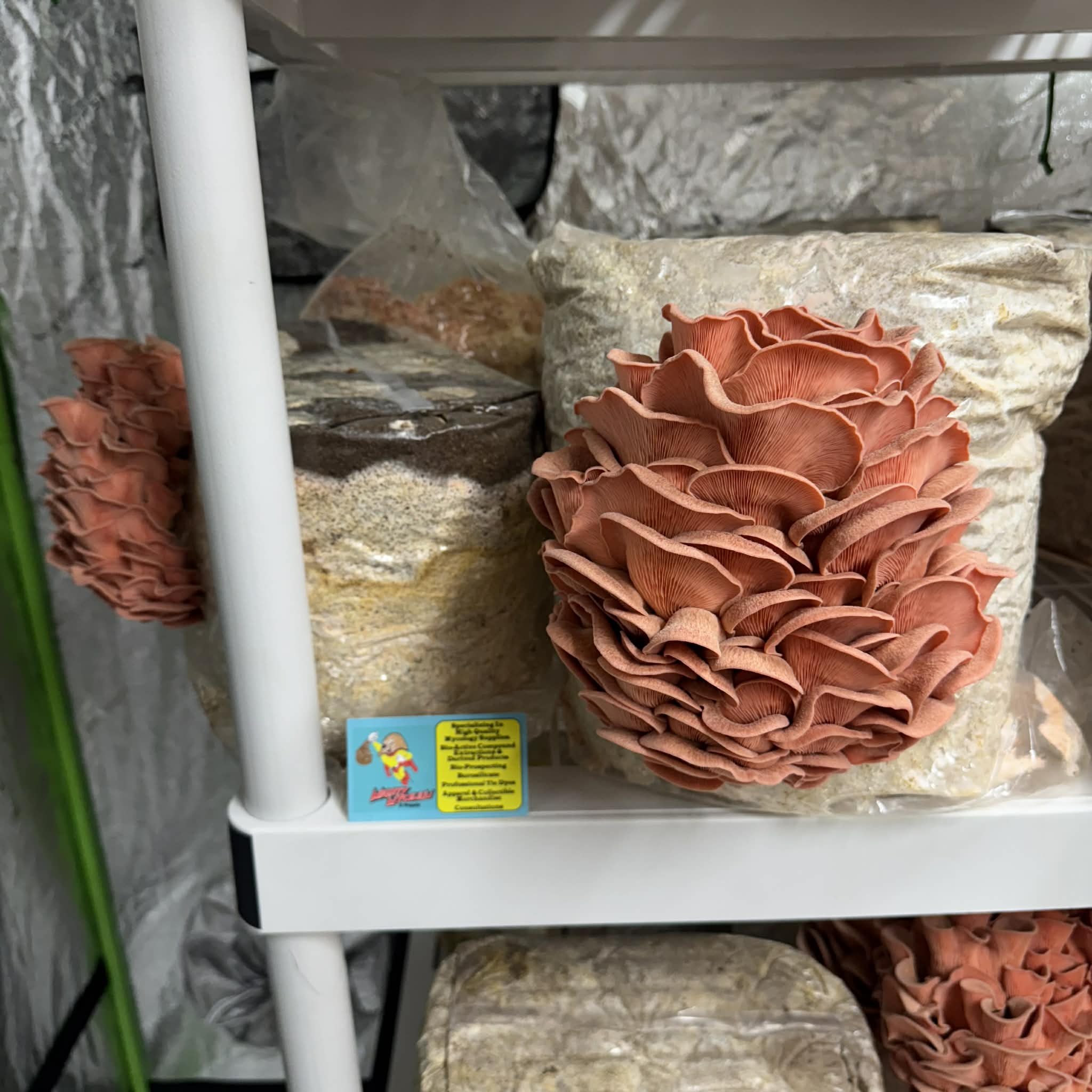
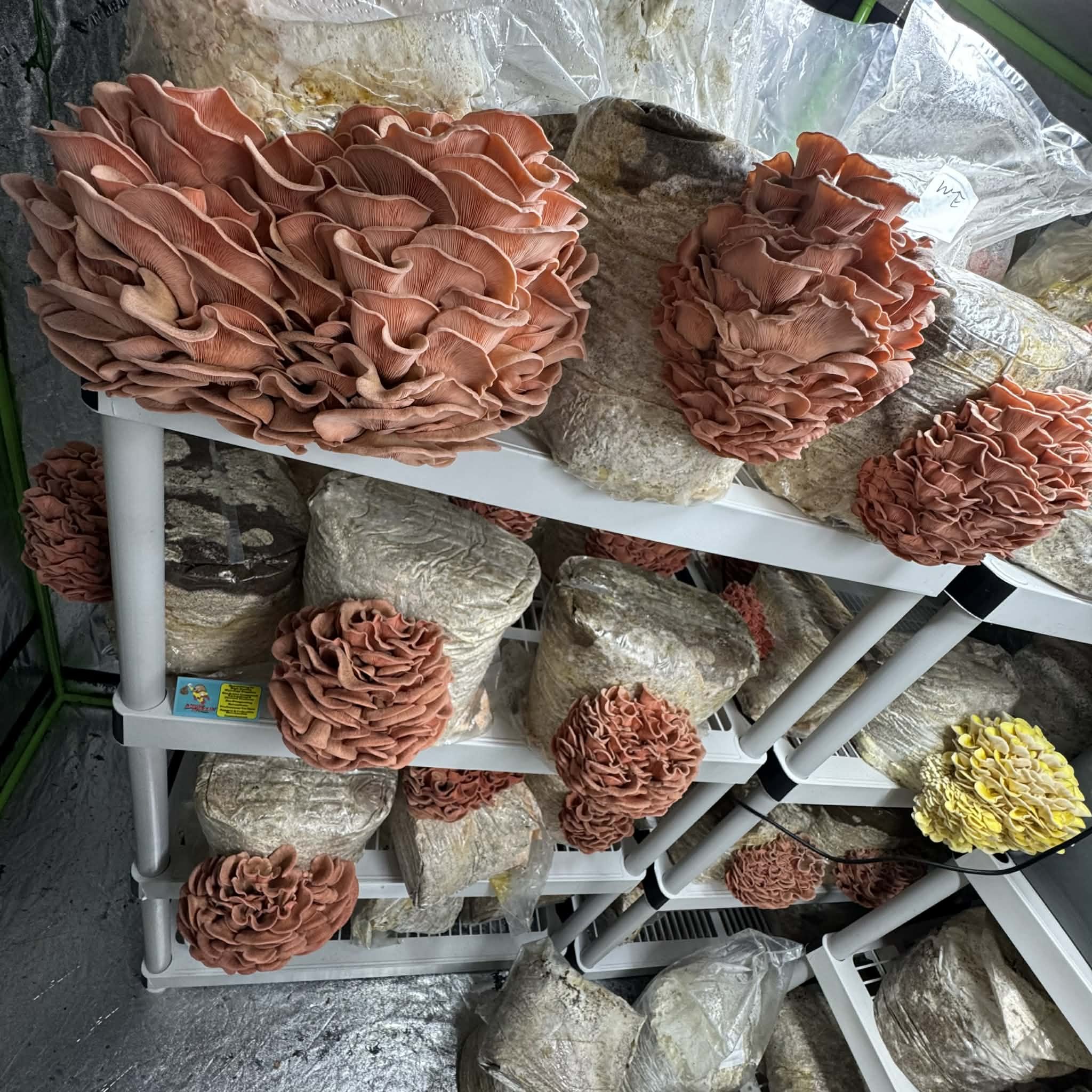
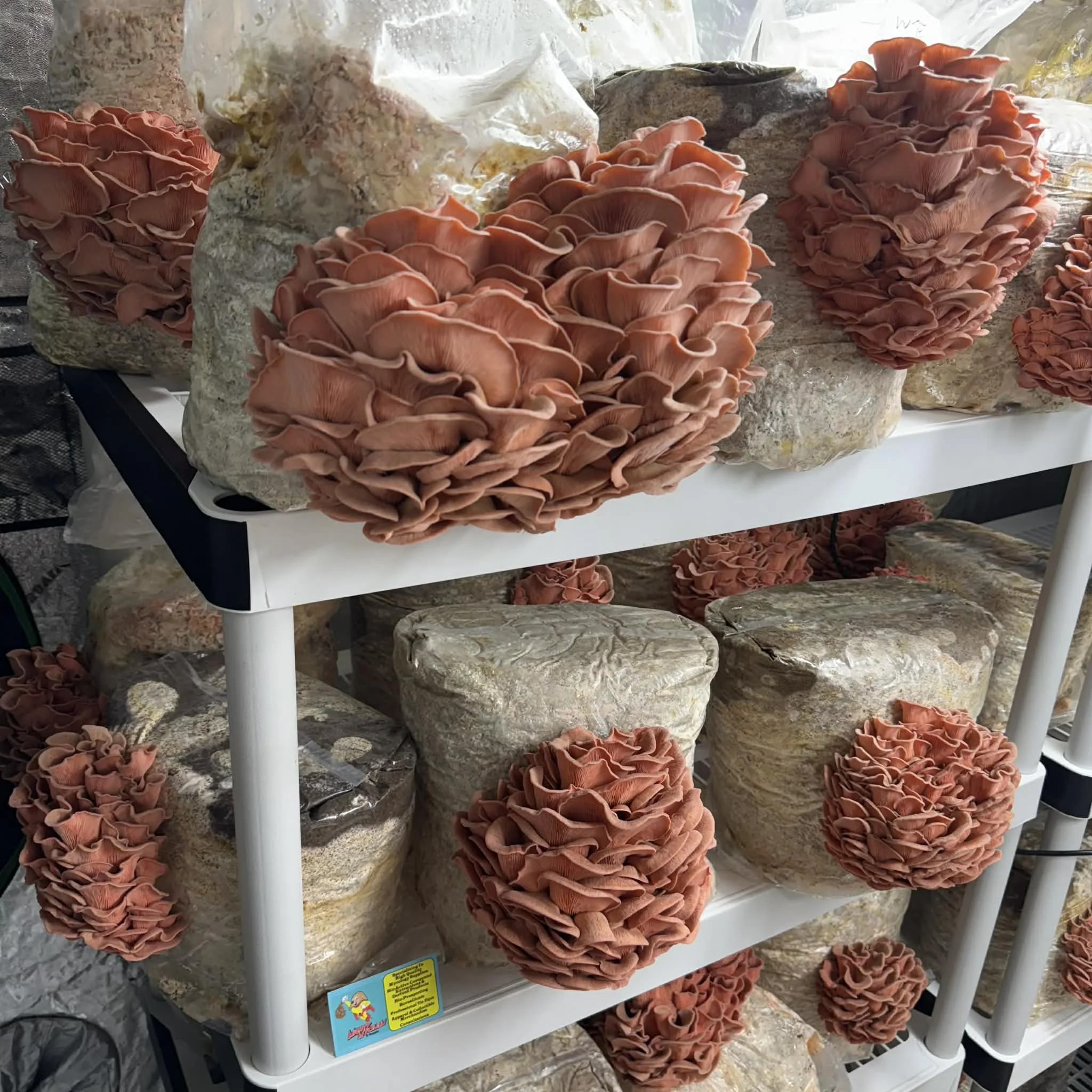
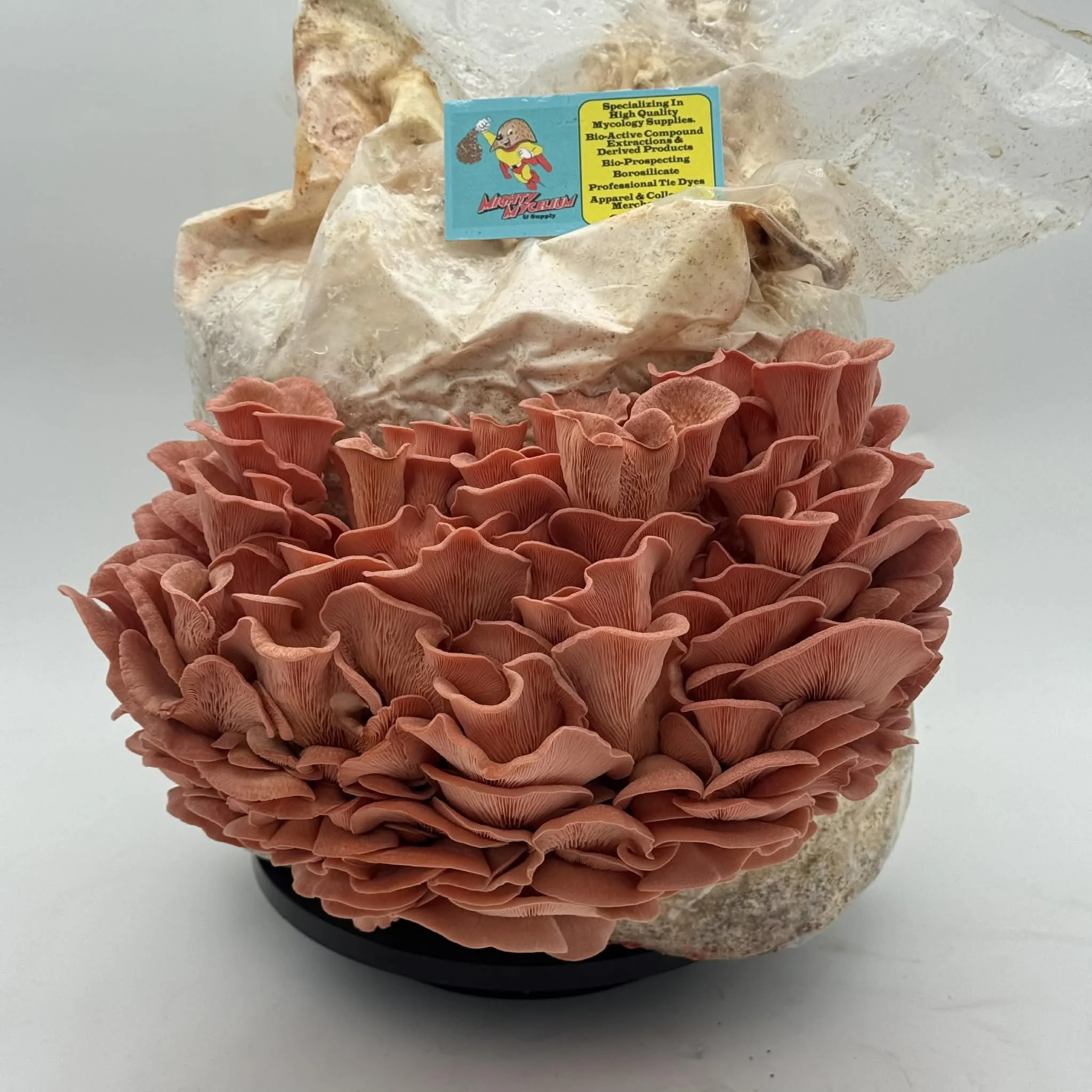
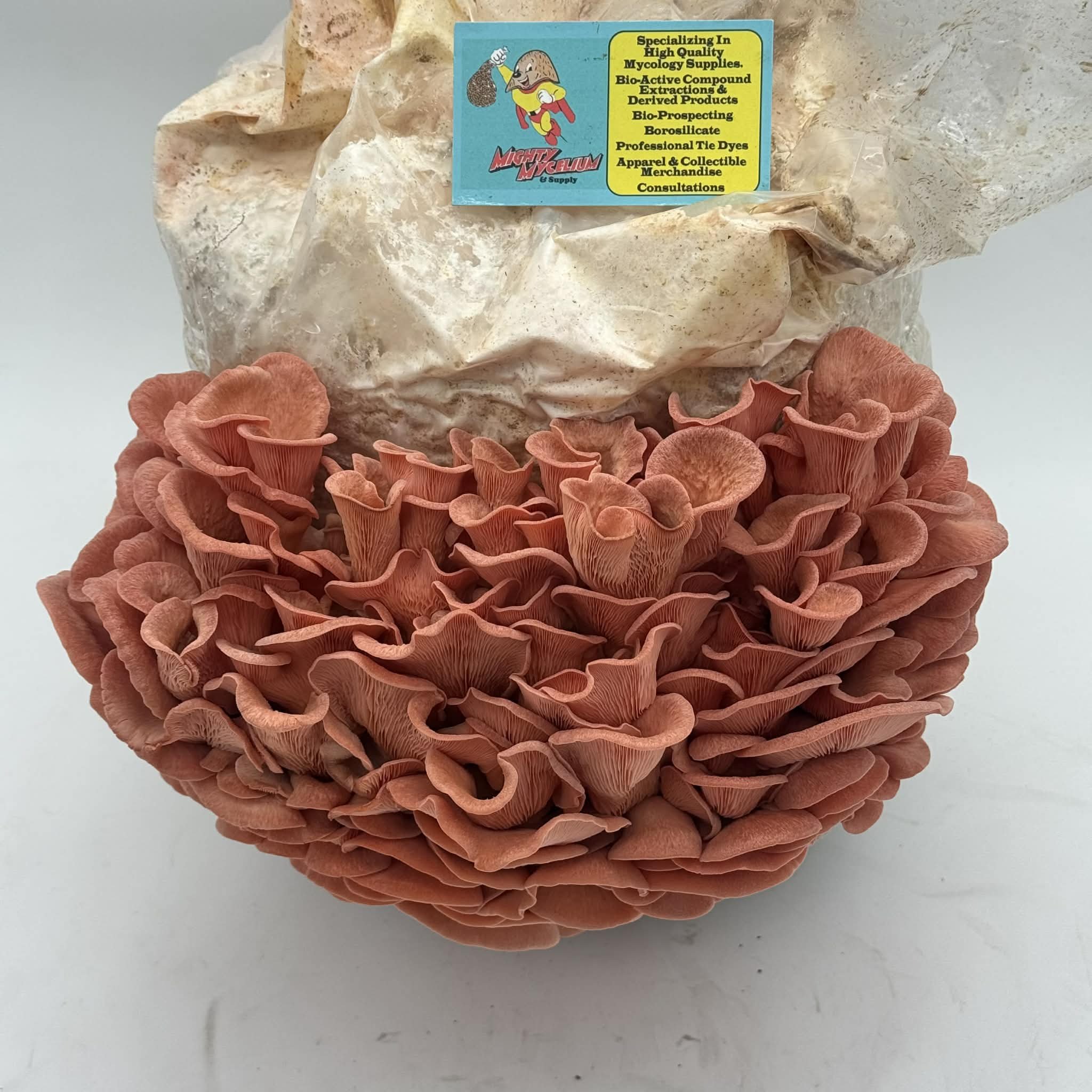
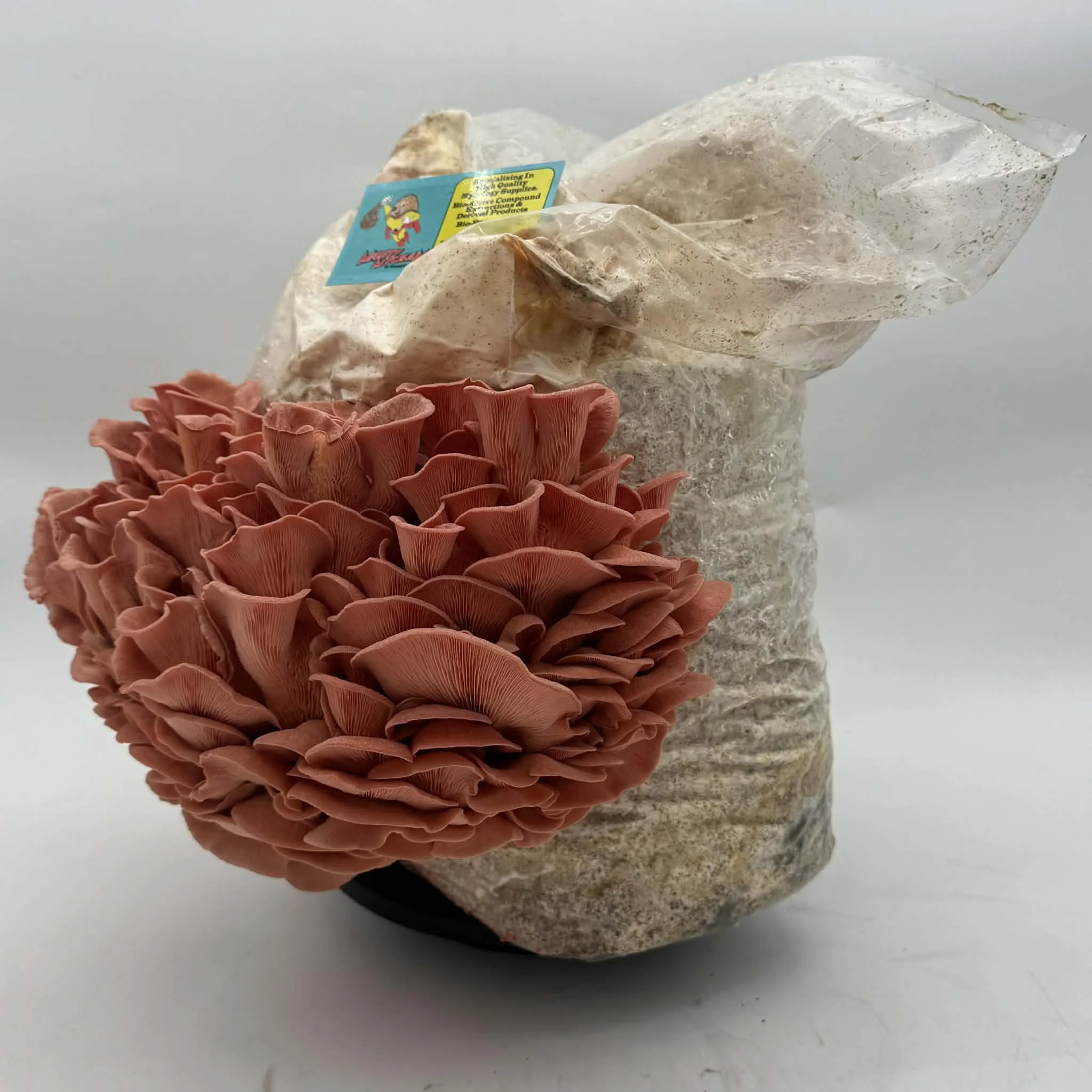
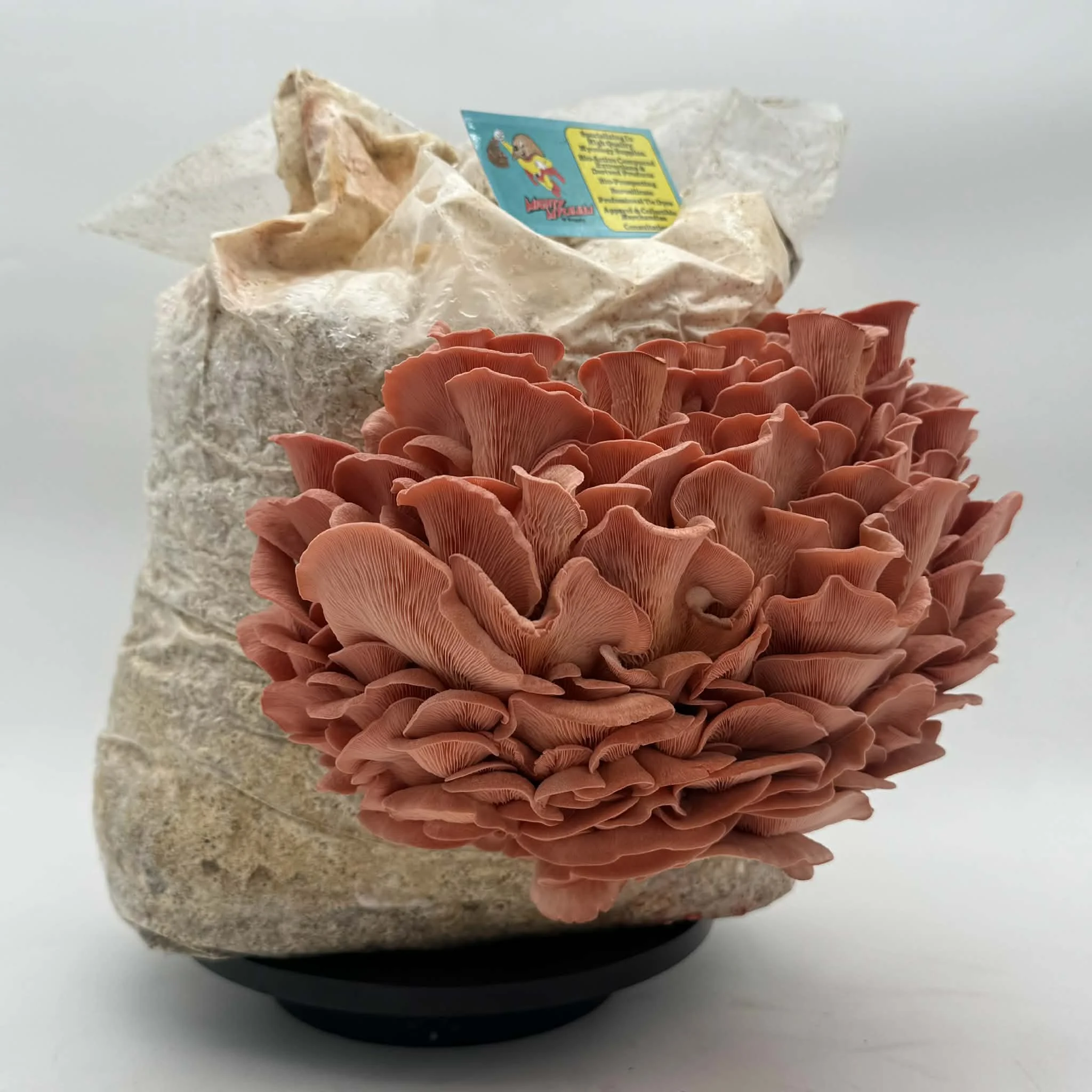
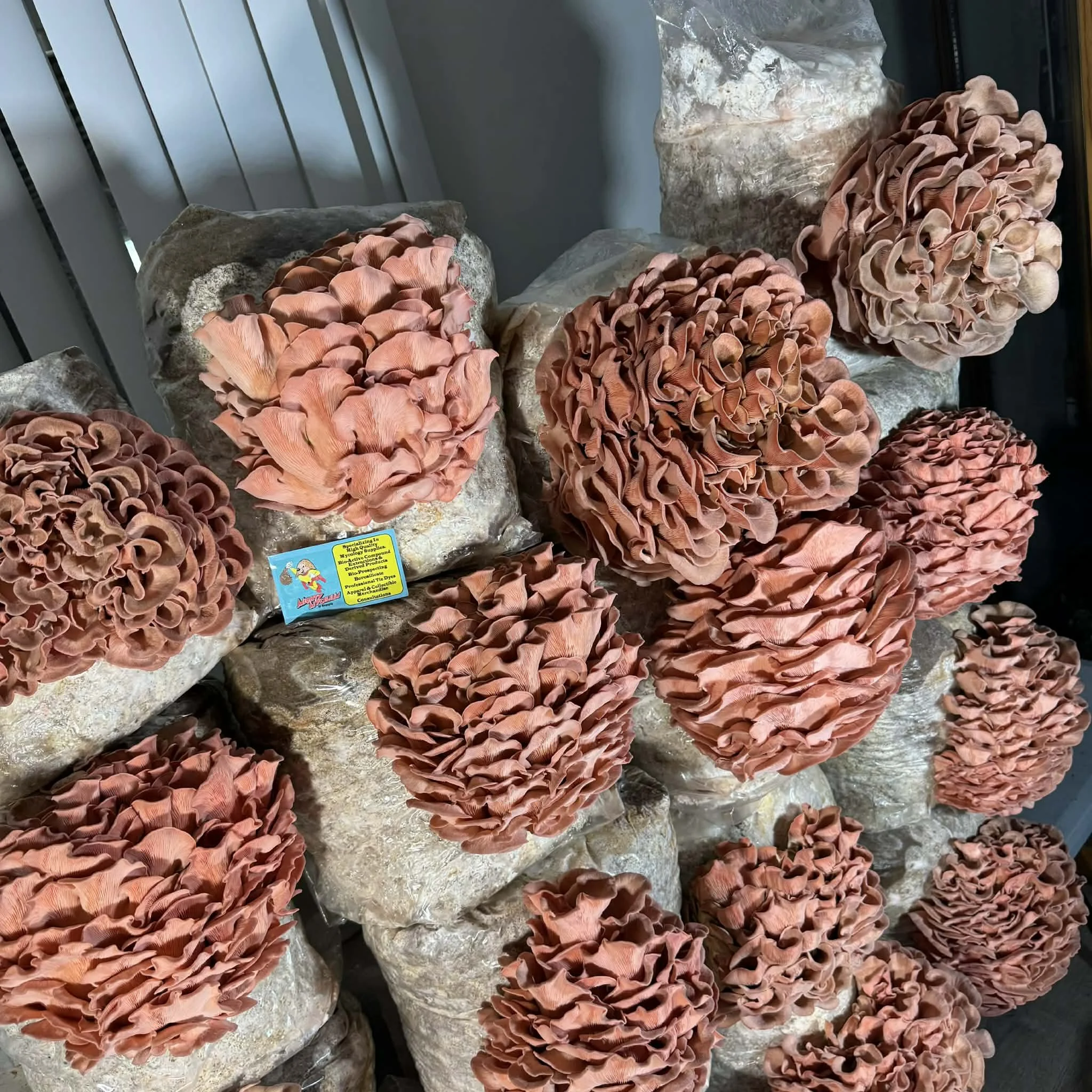
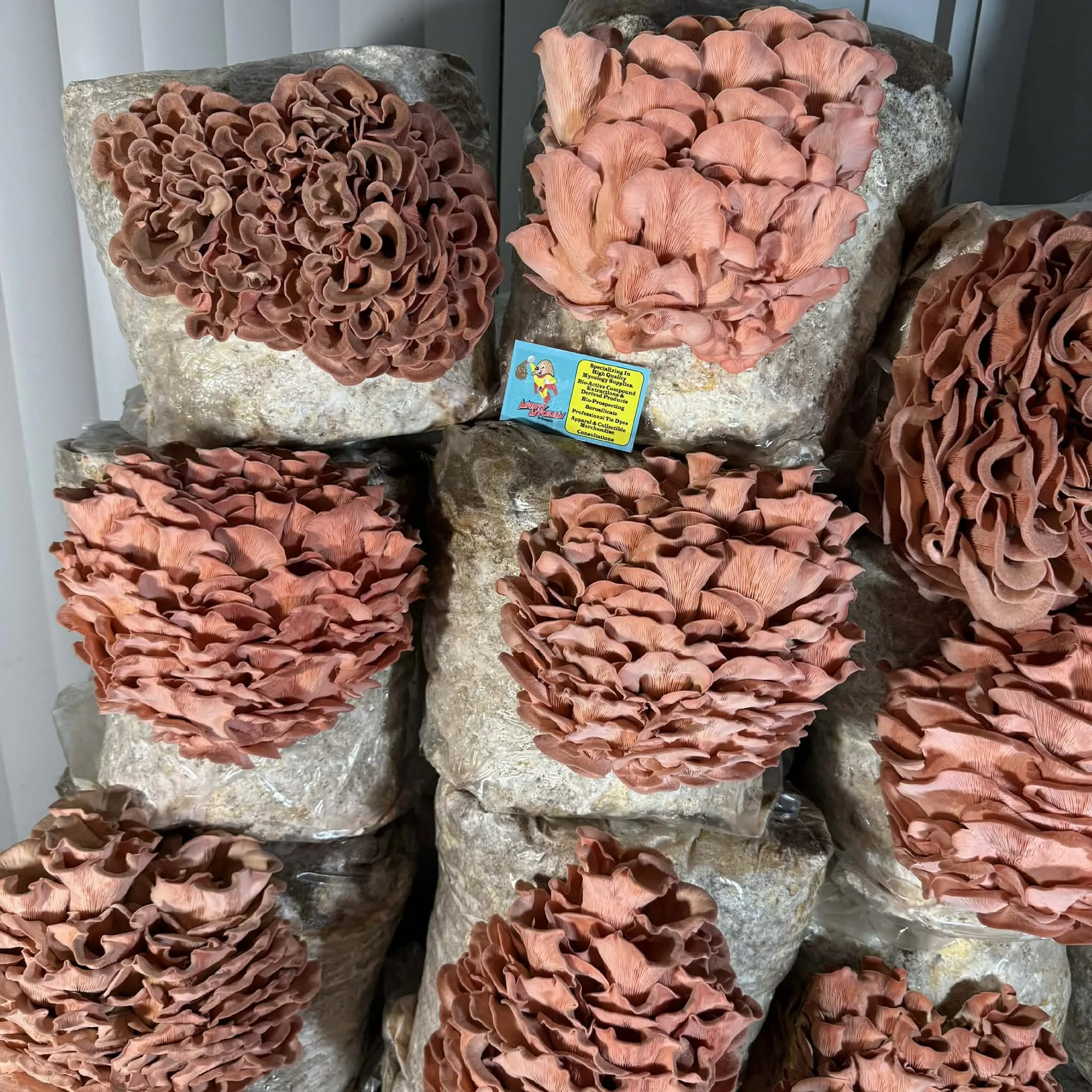
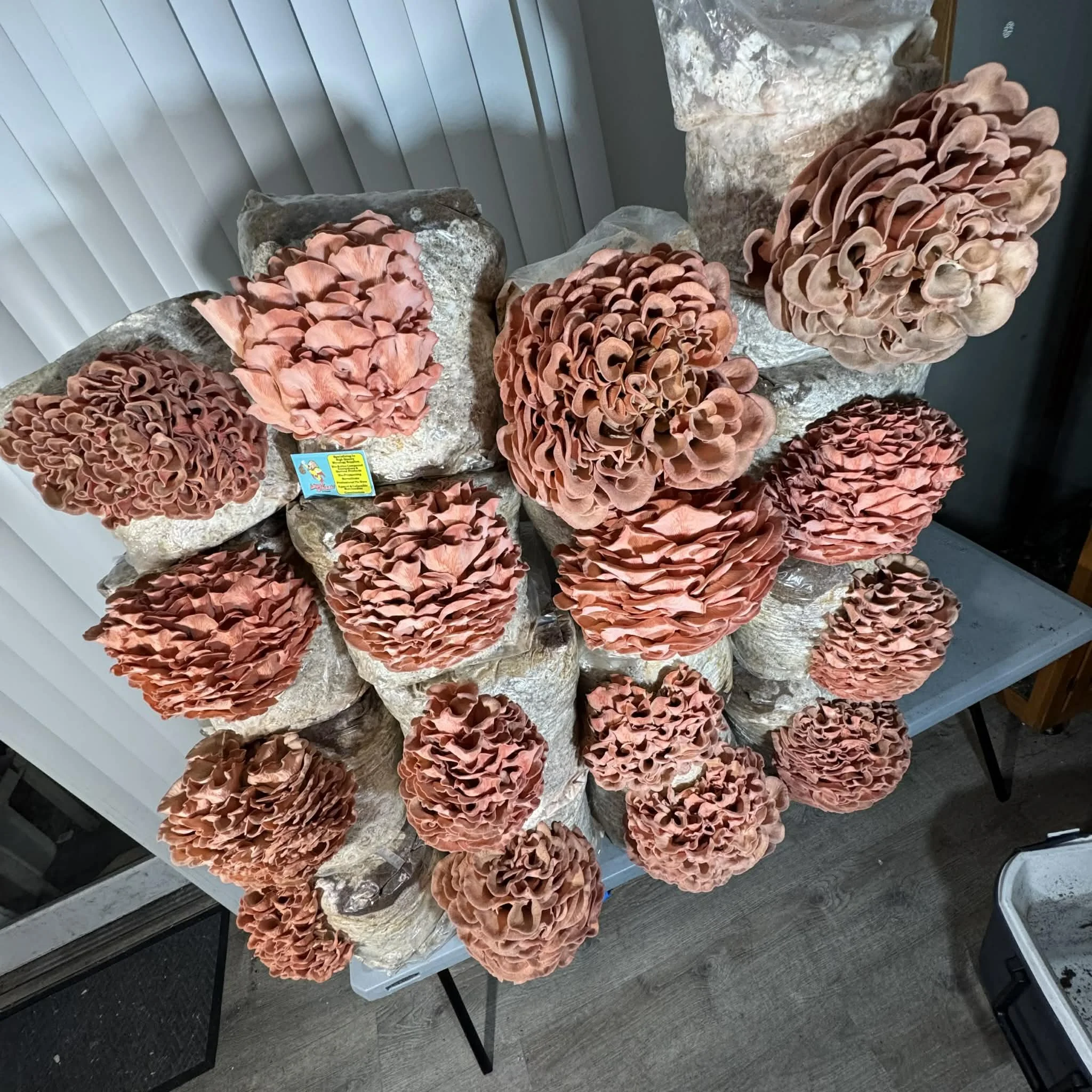
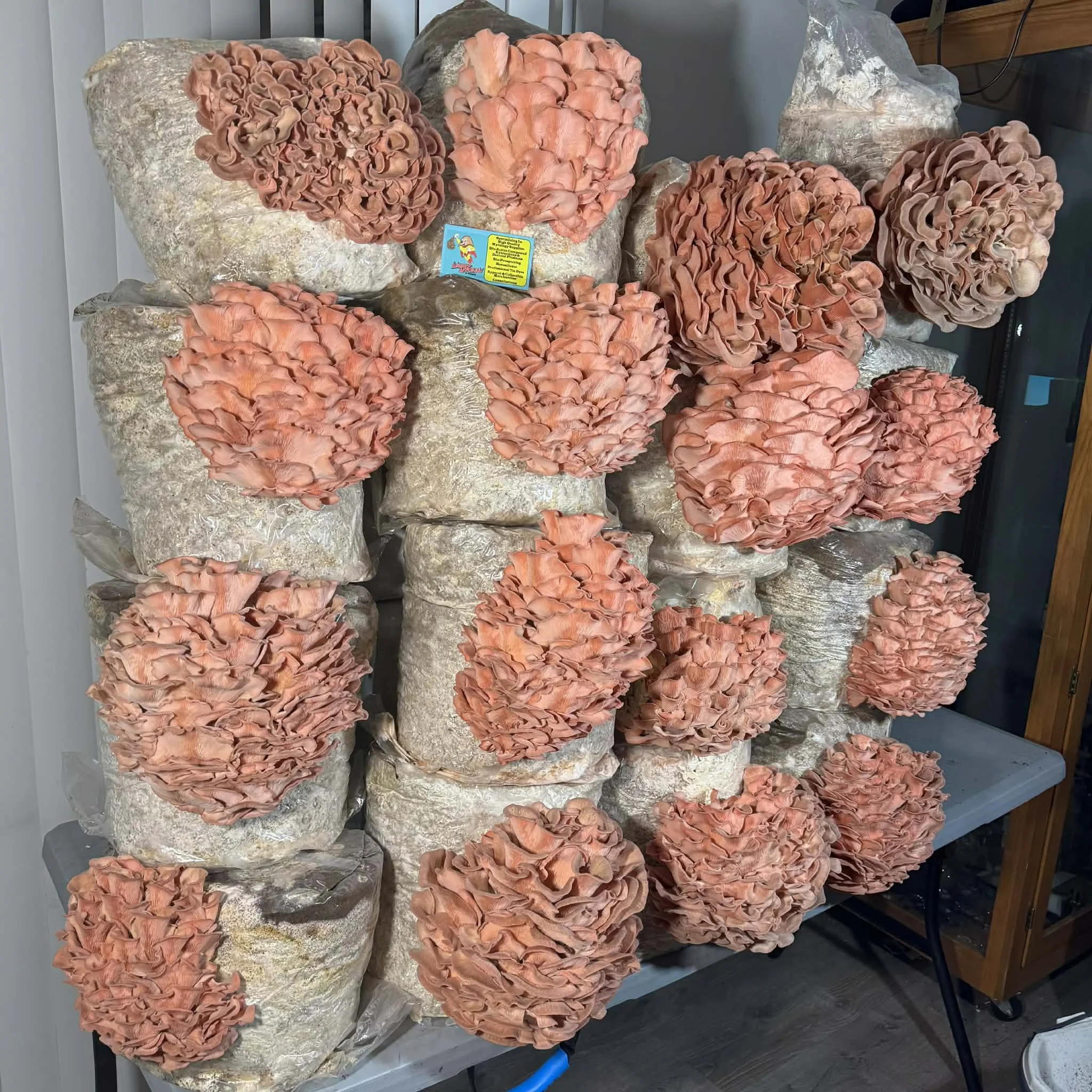
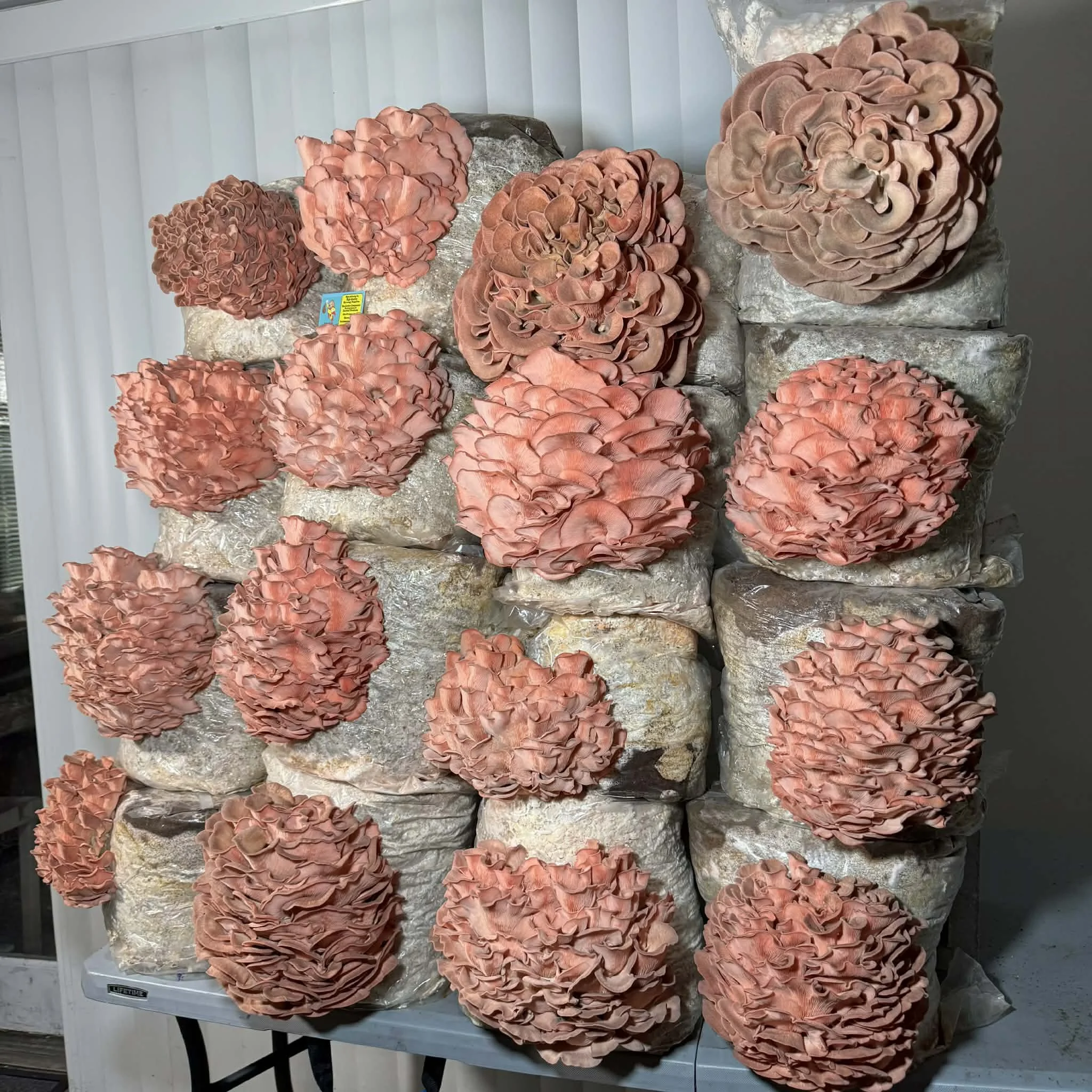
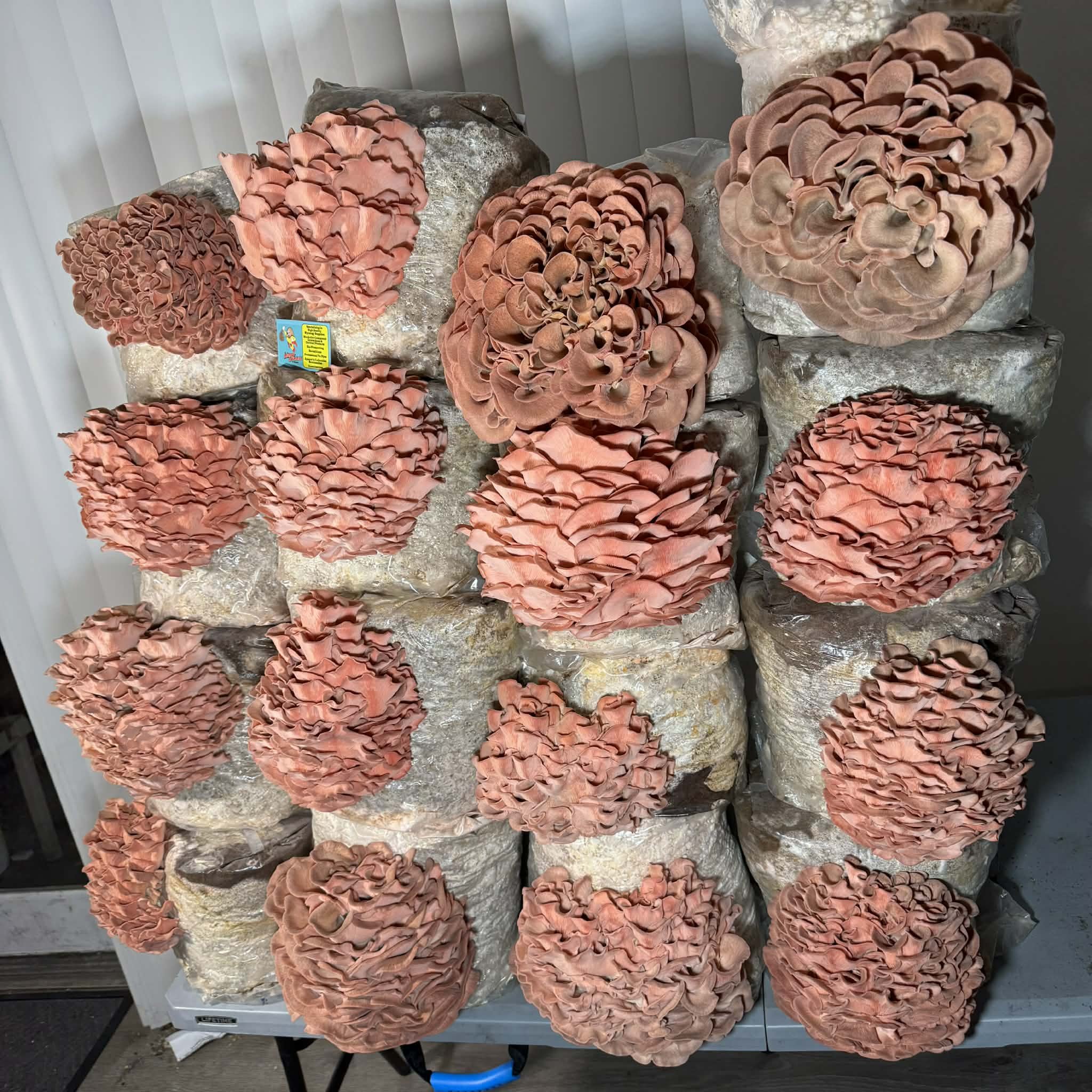
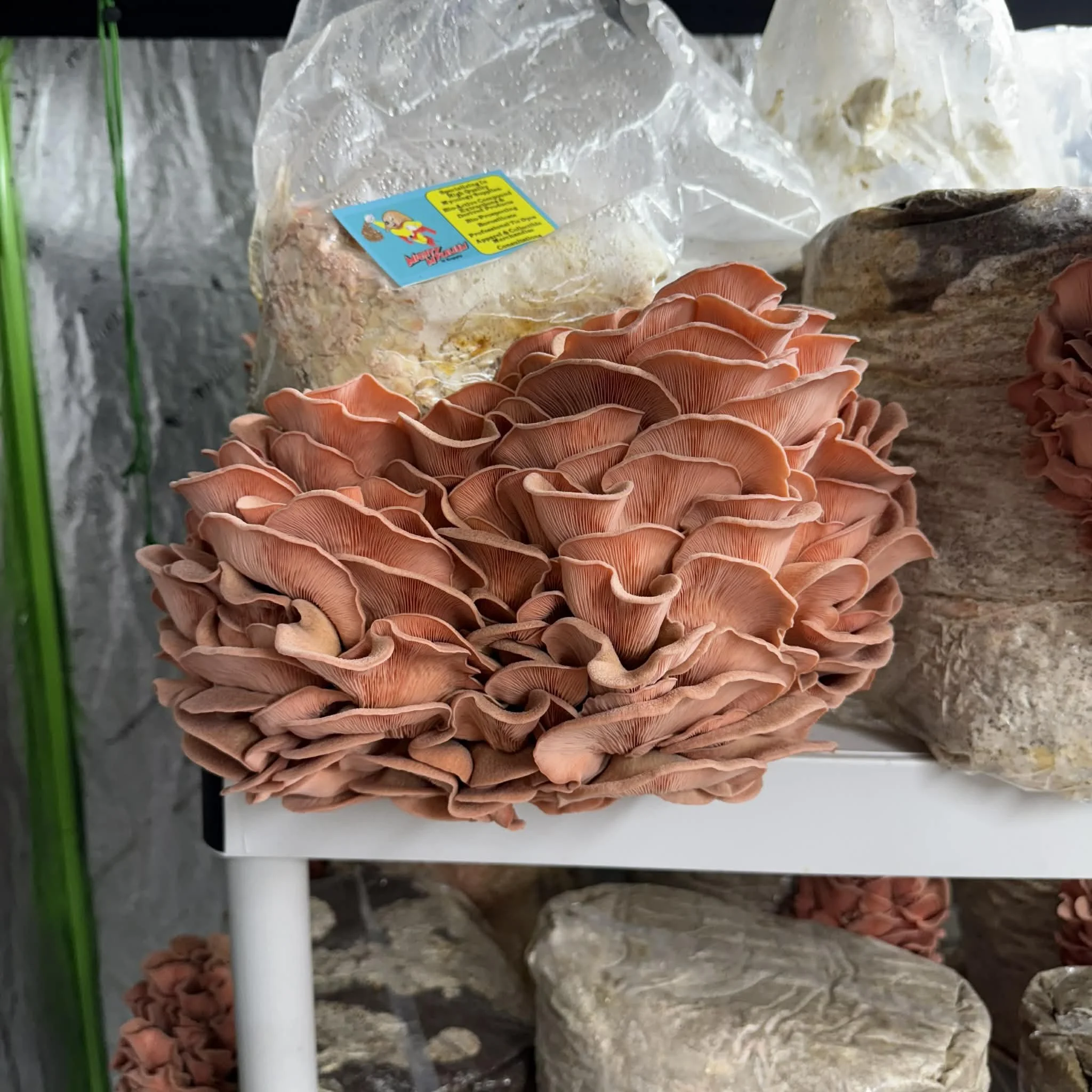
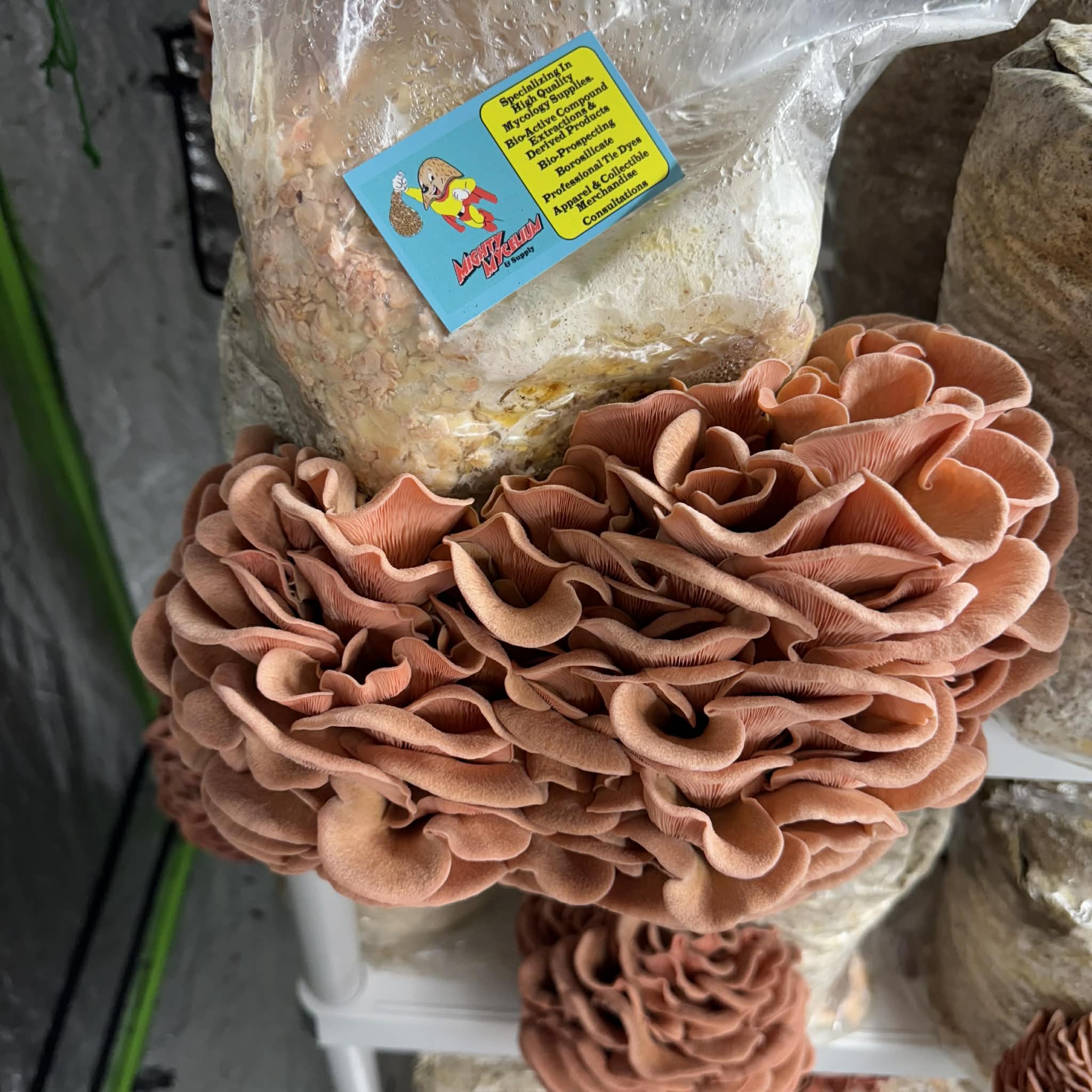
The Pink Oyster (Pleurotus djamor) is one of the most striking gourmet fungi in cultivation. Known for its brilliant pink to salmon-colored caps and rapid fruiting, it’s both a grower’s delight and a market favorite. Fast, aggressive, and forgiving, Pink Oysters will colonize grain and bulk substrates quickly, then explode into cascading clusters of ruffled pink petals.

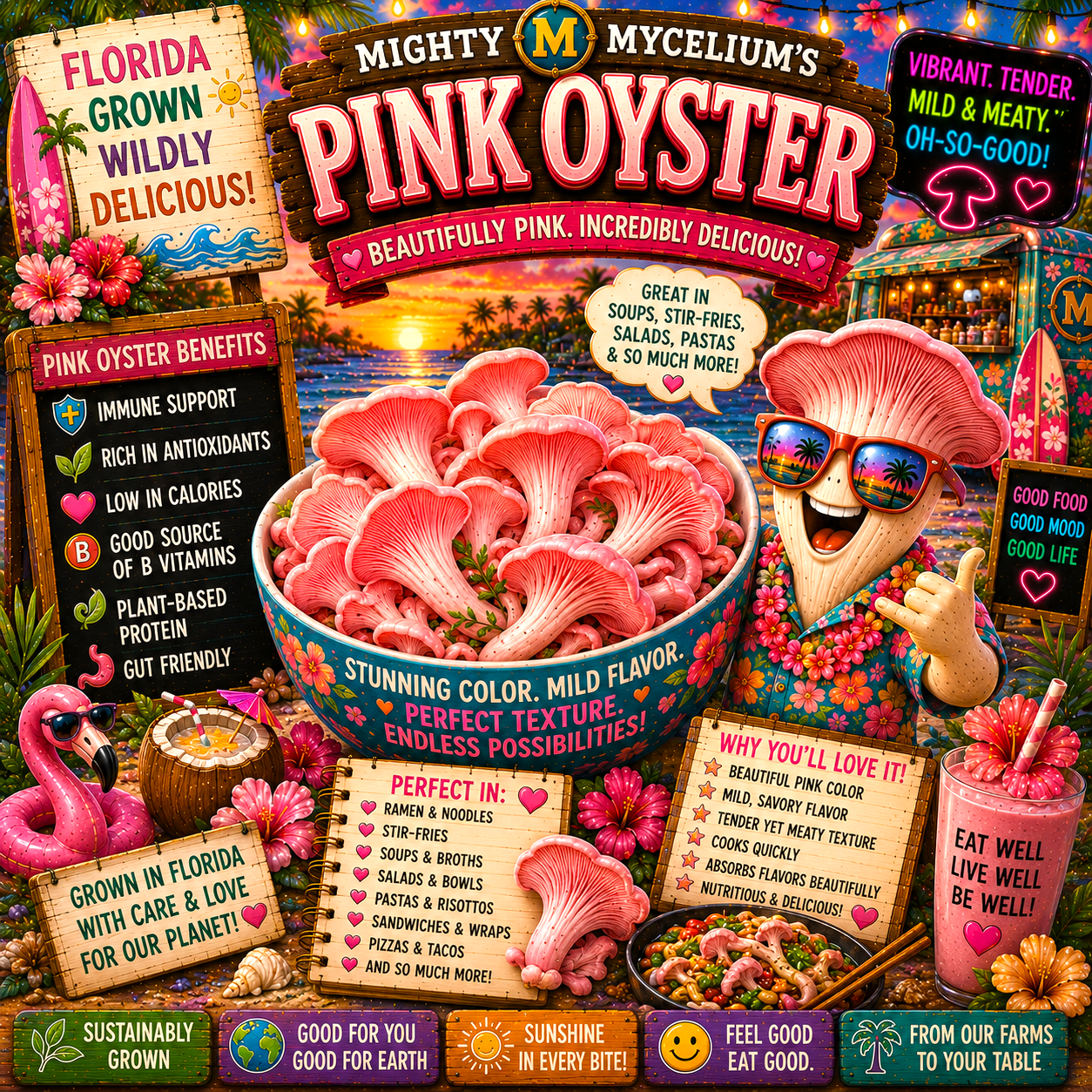
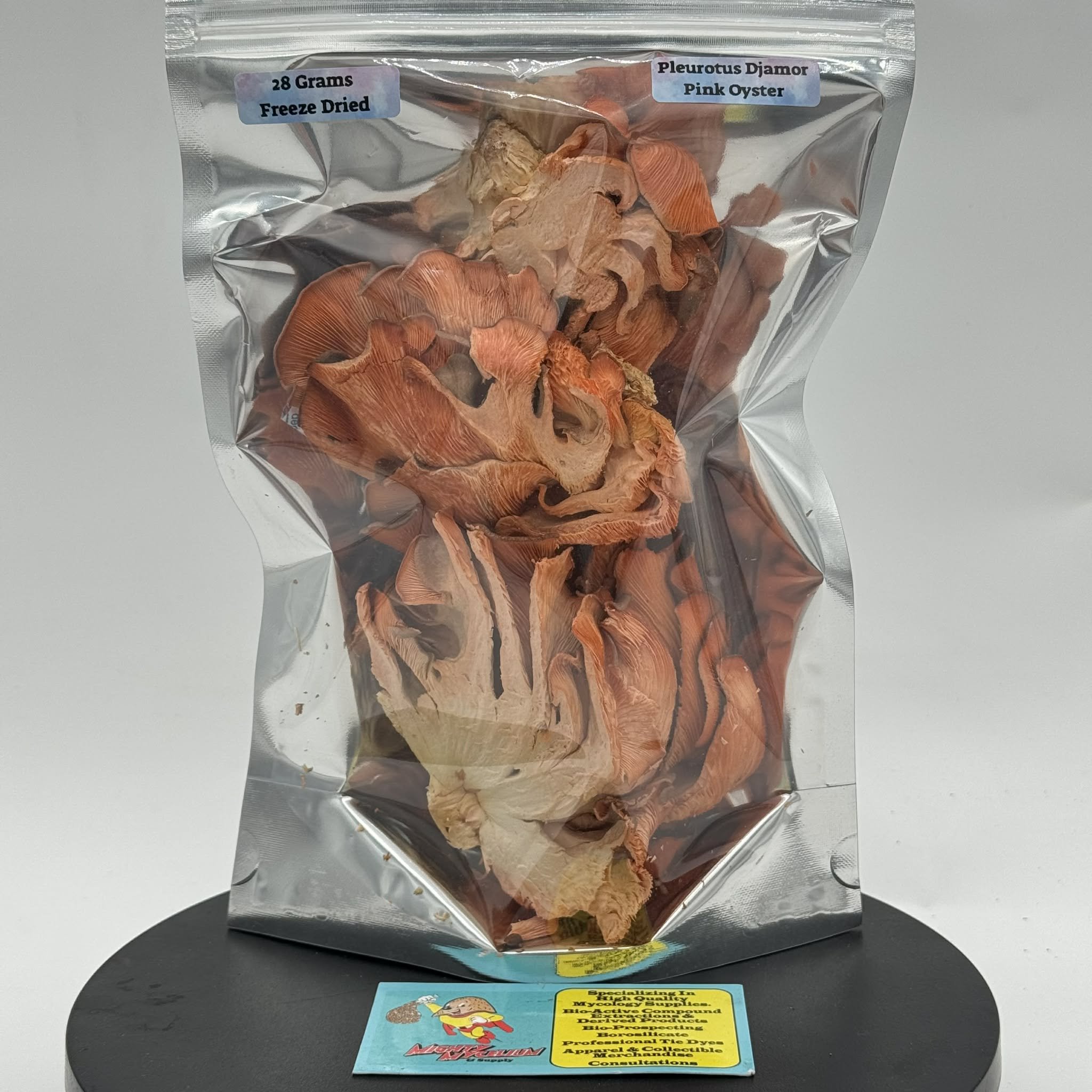
In the kitchen, Pink Oysters have a savory, seafood-like flavor with a hint of ham or bacon when pan-seared. Their firm flesh crisps up nicely, making them a popular meat substitute. Best enjoyed fresh, as their color fades and shelf life is shorter than other oysters.

As always, produced with love and a touch of southern hospitality. 😉
Spawn is made with organically grown milo grain and expanded onto hardwood sawdust or straw blends for reliable fruiting and bold coloration.

🍄 Pink Oyster: Comprehensive Profile

Overview

  • Common Name: Pink Oyster Mushroom

  • Scientific Name: Pleurotus djamor

  • Family: Pleurotaceae

  • Ecological Role: Saprotroph (wood decomposer)

  • Habitat: Dead or dying hardwoods, tropical/subtropical climates

  • Distribution: Native to the tropics; now cultivated globally

🔬 Taxonomy

RankClassificationDomainEukaryotaKingdomFungiPhylumBasidiomycotaClassAgaricomycetesOrderAgaricalesFamilyPleurotaceaeGenusPleurotusSpeciesP. djamor

🧬 Morphological Characteristics

Fruiting Body:

  • Cap: Vivid pink to salmon; convex, becoming wavy and petal-like; 3–8 cm across

  • Stem: Short or absent; clusters overlap in shelf-like cascades

  • Gills: Decurrent, pale pink to whitish

  • Flesh: Firm, thin; delicate when cooked

  • Spore Print: White to lilac-gray

Flavor/Texture:

  • Mild, slightly seafood- or ham-like flavor

  • Cooks down quickly; best pan-fried or sautéed

🌍 Ecology & Distribution

  • Native to Southeast Asia, India, and tropical regions of the Americas

  • Fruits naturally on hardwood logs in hot/humid climates

  • Cultivated on straw, hardwood sawdust, coffee waste, and agricultural residues

🌿 Distinguishing Features

  • vs Blue Oyster (P. ostreatus var. columbinus): Pink has vivid coloration, fruits faster, shorter shelf life

  • vs Golden Oyster (P. citrinopileatus): Pink is tropical, faster, more delicate; Golden is yellow and nutty

  • vs Pearl Oyster (P. ostreatus): Pink is more flamboyant, but less durable in storage

⚕️ Culinary & Nutritional Potential

Culinary:

  • Delicious fried until crispy (bacon substitute)

  • Adds vibrant color to dishes, though pink fades with heat

  • Great for stir-fries, pasta, and omelets

Nutritional/Medicinal:

  • High in protein, fiber, potassium, and B-vitamins

  • Contains antioxidants and cholesterol-lowering compounds similar to other Pleurotus species

⚠️ Toxicity / Edibility

  • Fully edible; no known toxicity

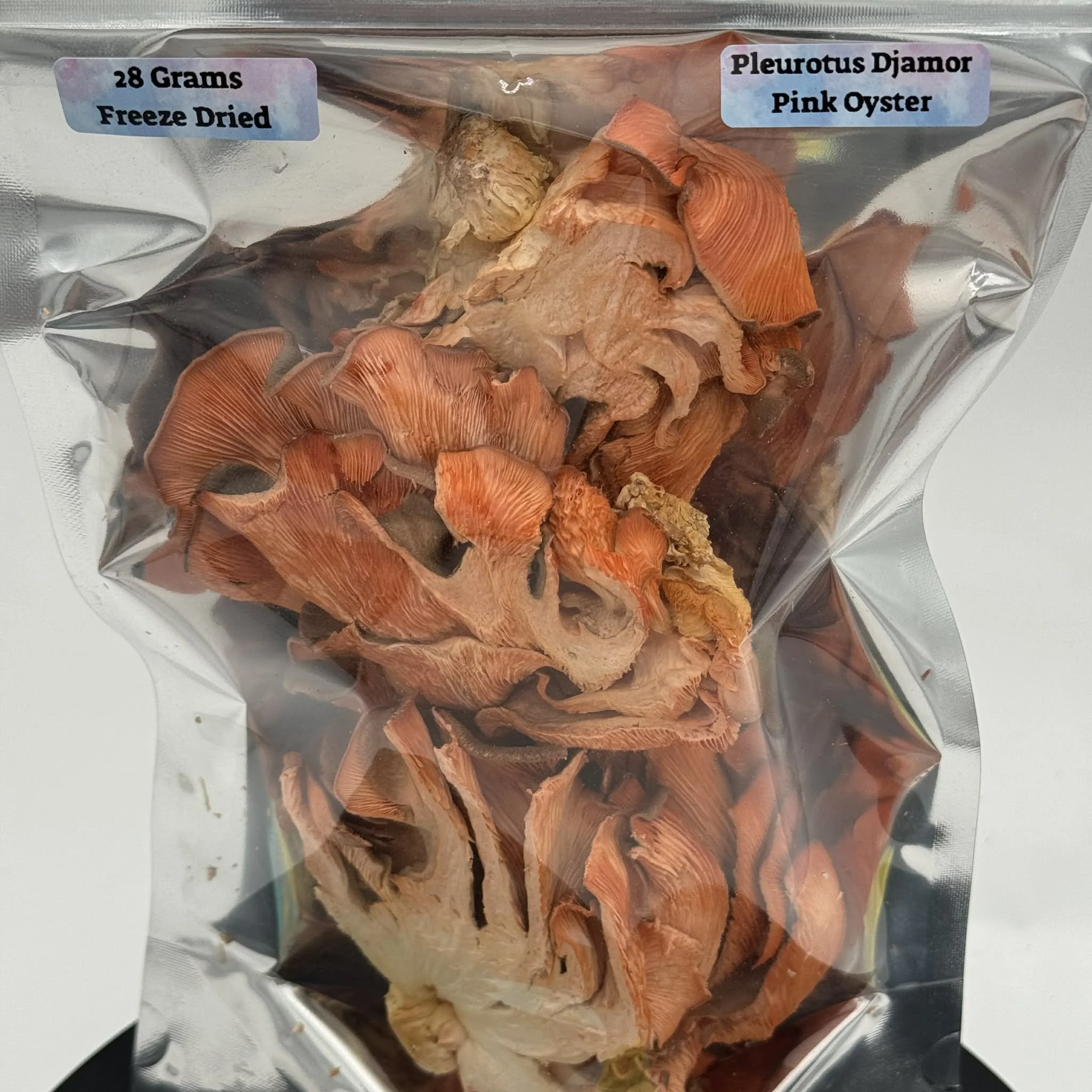
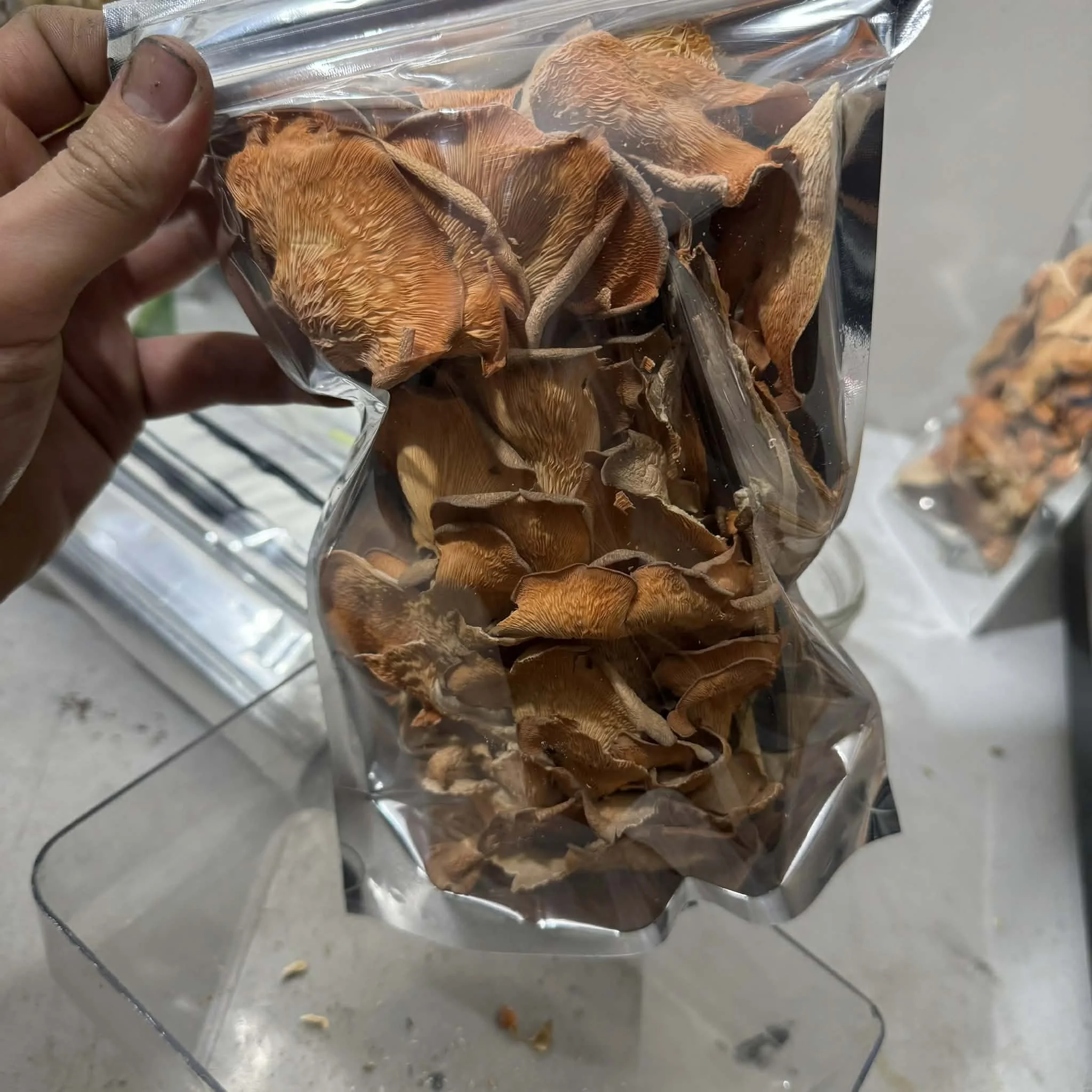
  • Short shelf life (2–3 days refrigerated) — best eaten immediately

📸 Cultivation Notes

  • Substrate: Straw, hardwood sawdust, coffee grounds, soy hull mixes

  • Spawn Run: 7–10 days on grain; 2–3 weeks on blocks

  • Fruiting Conditions:

    • Temp: 75–95°F (24–35°C) — thrives in heat

    • Humidity: 85–95%

    • Fresh Air: Requires high FAE; otherwise caps stay small and leggy

  • Yield: Very high, but clusters delicate and fragile

📚 Historical & Cultural Notes

  • Traditionally cultivated in tropical Asia on logs and straw bundles

  • Increasingly popular in farmers’ markets for its eye-catching color and novelty

  • Often used as a teaching mushroom for beginners because of speed and reliability

Summary: Key Points on Pink Oyster

  • Brilliant pink clusters with rapid growth

  • Best suited for warm climates (thrives in heat)

  • High yield, easy for beginners, but short shelf life

  • Savory, bacon-like flavor when crisped in oil

  • A true showstopper for markets and chefs alike

Pink Oyster – (Pleurotus djamor)

We offer fresh-made Agar plates, Slants, Liquid Cultures, and Spore Syringes, all prepared to order in a sterile environment. Please allow 3–5 business days for processing before shipment.

Pink Oyster Mushroom: The Showstopper

The Pink Oyster (Pleurotus djamor) is one of the most striking gourmet fungi in cultivation. Known for its brilliant pink to salmon-colored caps and rapid fruiting, it’s both a grower’s delight and a market favorite. Fast, aggressive, and forgiving, Pink Oysters will colonize grain and bulk substrates quickly, then explode into cascading clusters of ruffled pink petals.

In the kitchen, Pink Oysters have a savory, seafood-like flavor with a hint of ham or bacon when pan-seared. Their firm flesh crisps up nicely, making them a popular meat substitute. Best enjoyed fresh, as their color fades and shelf life is shorter than other oysters.

As always, produced with love and a touch of southern hospitality. 😉
Spawn is made with organically grown milo grain and expanded onto hardwood sawdust or straw blends for reliable fruiting and bold coloration.

🍄 Pink Oyster: Comprehensive Profile

Overview

  • Common Name: Pink Oyster Mushroom

  • Scientific Name: Pleurotus djamor

  • Family: Pleurotaceae

  • Ecological Role: Saprotroph (wood decomposer)

  • Habitat: Dead or dying hardwoods, tropical/subtropical climates

  • Distribution: Native to the tropics; now cultivated globally

🔬 Taxonomy

RankClassificationDomainEukaryotaKingdomFungiPhylumBasidiomycotaClassAgaricomycetesOrderAgaricalesFamilyPleurotaceaeGenusPleurotusSpeciesP. djamor

🧬 Morphological Characteristics

Fruiting Body:

  • Cap: Vivid pink to salmon; convex, becoming wavy and petal-like; 3–8 cm across

  • Stem: Short or absent; clusters overlap in shelf-like cascades

  • Gills: Decurrent, pale pink to whitish

  • Flesh: Firm, thin; delicate when cooked

  • Spore Print: White to lilac-gray

Flavor/Texture:

  • Mild, slightly seafood- or ham-like flavor

  • Cooks down quickly; best pan-fried or sautéed

🌍 Ecology & Distribution

  • Native to Southeast Asia, India, and tropical regions of the Americas

  • Fruits naturally on hardwood logs in hot/humid climates

  • Cultivated on straw, hardwood sawdust, coffee waste, and agricultural residues

🌿 Distinguishing Features

  • vs Blue Oyster (P. ostreatus var. columbinus): Pink has vivid coloration, fruits faster, shorter shelf life

  • vs Golden Oyster (P. citrinopileatus): Pink is tropical, faster, more delicate; Golden is yellow and nutty

  • vs Pearl Oyster (P. ostreatus): Pink is more flamboyant, but less durable in storage

⚕️ Culinary & Nutritional Potential

Culinary:

  • Delicious fried until crispy (bacon substitute)

  • Adds vibrant color to dishes, though pink fades with heat

  • Great for stir-fries, pasta, and omelets

Nutritional/Medicinal:

  • High in protein, fiber, potassium, and B-vitamins

  • Contains antioxidants and cholesterol-lowering compounds similar to other Pleurotus species

⚠️ Toxicity / Edibility

  • Fully edible; no known toxicity

  • Short shelf life (2–3 days refrigerated) — best eaten immediately

📸 Cultivation Notes

  • Substrate: Straw, hardwood sawdust, coffee grounds, soy hull mixes

  • Spawn Run: 7–10 days on grain; 2–3 weeks on blocks

  • Fruiting Conditions:

    • Temp: 75–95°F (24–35°C) — thrives in heat

    • Humidity: 85–95%

    • Fresh Air: Requires high FAE; otherwise caps stay small and leggy

  • Yield: Very high, but clusters delicate and fragile

📚 Historical & Cultural Notes

  • Traditionally cultivated in tropical Asia on logs and straw bundles

  • Increasingly popular in farmers’ markets for its eye-catching color and novelty

  • Often used as a teaching mushroom for beginners because of speed and reliability

Summary: Key Points on Pink Oyster

  • Brilliant pink clusters with rapid growth

  • Best suited for warm climates (thrives in heat)

  • High yield, easy for beginners, but short shelf life

  • Savory, bacon-like flavor when crisped in oil

  • A true showstopper for markets and chefs alike